
What's Happening?
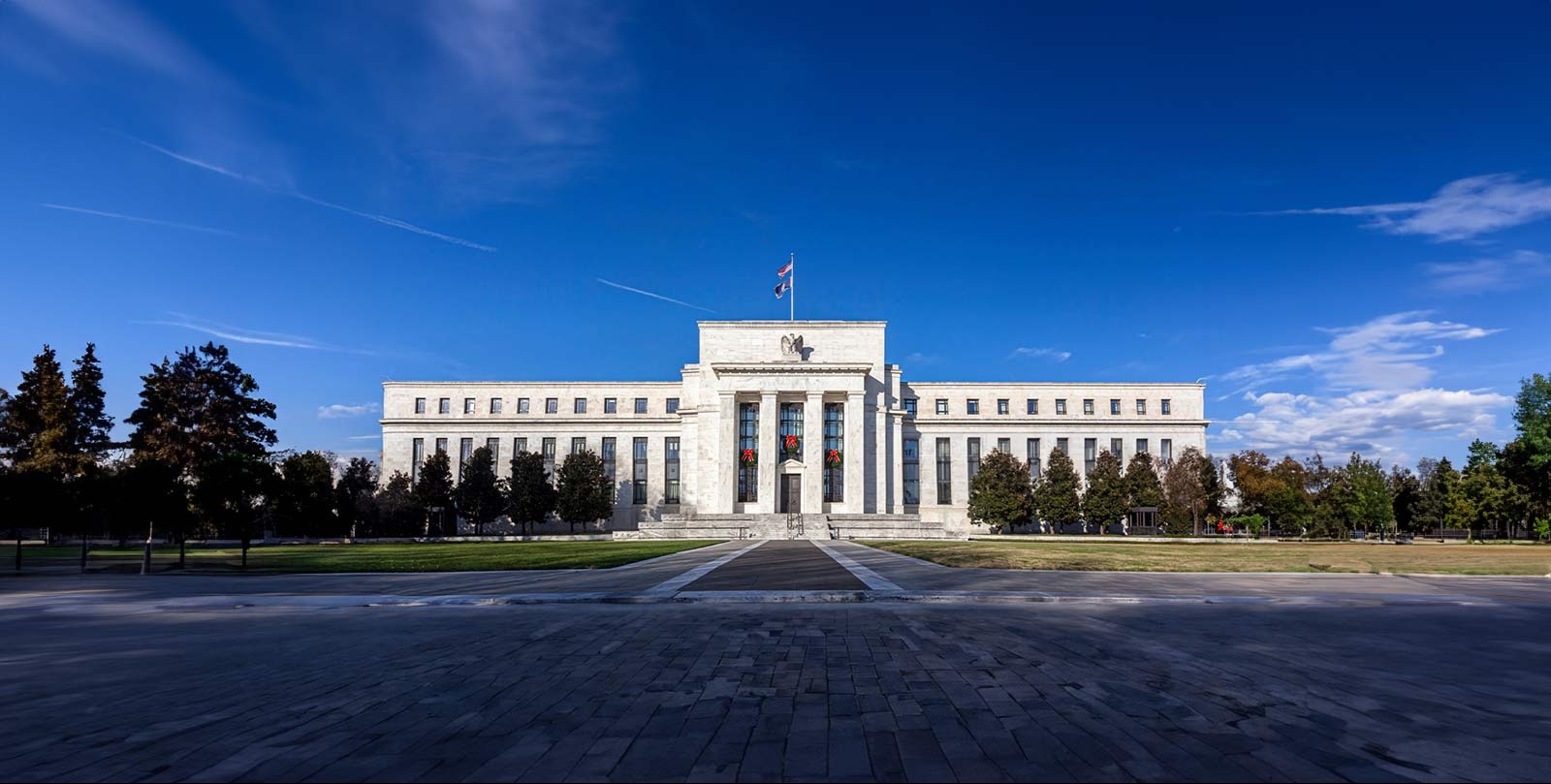
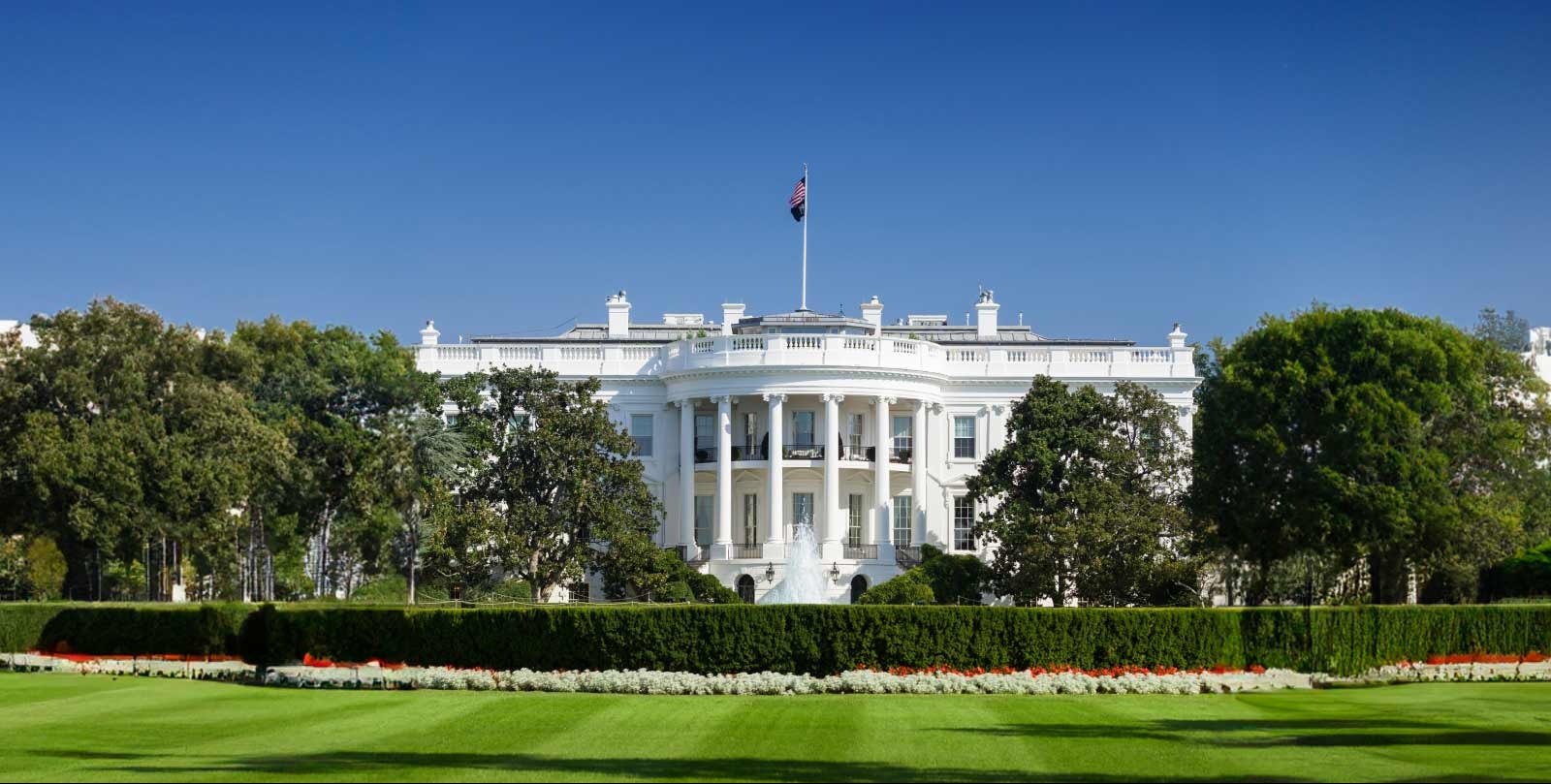
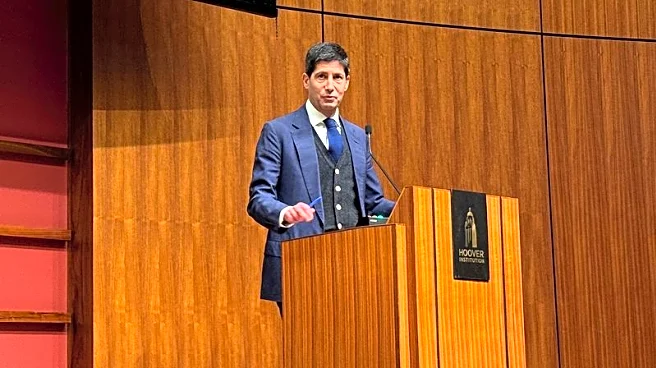
President Trump indicated a preference to keep Kevin Hassett, his top economic adviser, at the White House rather than nominating him as the next Federal Reserve chair. This has increased the likelihood of Kevin Warsh, a former Fed governor known for his hawkish
stance on interest rates, being considered for the position. Warsh's potential nomination has led to a rise in bond yields, as markets anticipate a less dovish monetary policy under his leadership. The 10-year Treasury note yield increased to over 4.2%, reflecting expectations of fewer rate cuts compared to a Hassett-led Fed.
Why It's Important?
The selection of the next Federal Reserve chair is crucial for U.S. monetary policy and economic stability. A hawkish Fed chair like Warsh could mean higher interest rates, impacting borrowing costs, consumer spending, and investment. This shift could affect various sectors, including housing and finance, which are sensitive to interest rate changes. The decision also highlights the political dynamics influencing the Fed's independence, as Trump's comments and the ongoing investigation into current Fed Chair Jerome Powell add complexity to the nomination process.
What's Next?
The nomination process for the new Fed chair will continue to unfold, with potential implications for U.S. monetary policy and financial markets. Senate confirmation hearings will be critical in determining the final outcome. Market participants will closely monitor developments, as the choice of Fed chair will influence future interest rate decisions and economic policy. The ongoing investigation into Powell and the political environment may further complicate the process, affecting investor confidence and market stability.