



What's Happening?
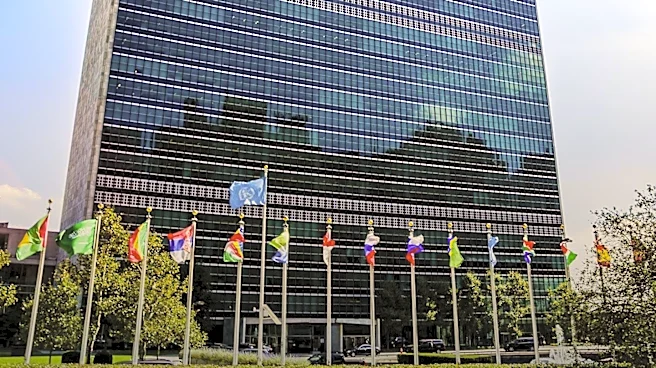
Indigenous leaders have presented a roadmap to the United Nations (UN) aimed at protecting Indigenous communities, focusing on rights in conflict areas, participation at the UN, and the impact of artificial intelligence. This comes during the 19th session
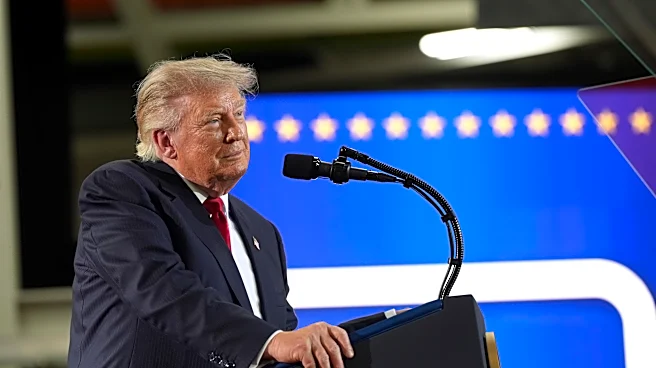
of the Expert Mechanism on the Rights of Indigenous Peoples (EMRIP) in Geneva. The session highlighted the need for AI development to align with Indigenous rights and addressed the risks posed by AI infrastructure. The roadmap includes 12 key points for global governments, emphasizing protections for Indigenous Peoples in isolation and preserving languages. However, the UN faces a financial crisis due to the U.S. withholding billions in obligatory payments, exacerbating funding challenges.
Why It's Important?
The roadmap presented by Indigenous leaders is crucial for advancing the rights and protections of Indigenous communities globally. It addresses pressing issues such as the impact of AI and the need for greater participation in international forums. However, the financial strain on the UN, particularly due to the U.S. withholding funds, poses a significant challenge to implementing these initiatives. The U.S. typically contributes 22% of the UN's regular budget, and its decision to halt payments has created a substantial shortfall. This financial crisis threatens the ability of the UN to support mechanisms like EMRIP, which are vital for promoting Indigenous rights and addressing global challenges.
What's Next?
The UN and its member states must navigate the financial challenges to ensure continued support for Indigenous rights initiatives. The roadmap's recommendations will be submitted to the UN Human Rights Council, and next year's EMRIP session will focus on business and Indigenous rights. As the UN approaches the 20th anniversary of the Declaration on the Rights of Indigenous Peoples in 2027, a stocktake report will assess progress and lessons learned. Addressing the funding crisis will be critical to maintaining the momentum of these efforts and ensuring that Indigenous communities receive the support they need.