



What's Happening?
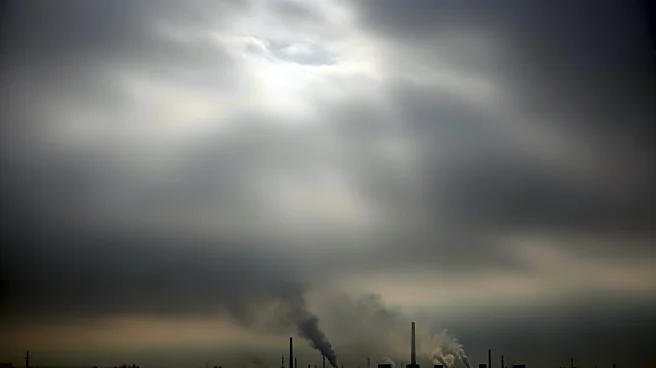
The Trump Administration's Environmental Protection Agency (EPA) has approved two regional haze pollution plans from Texas, allowing coal plant owners like NRG and Luminant to avoid installing pollution controls. This decision withdraws a federal rule
from the Obama Administration that required pollution control equipment at 15 of Texas's dirtiest coal units. The Texas Commission on Environmental Quality (TCEQ) submitted plans that require no pollution reductions, despite the Clean Air Act's mandate for states to propose adequate haze reduction plans. The EPA's approval has been criticized for disregarding public input and failing to address the visibility impairment caused by coal-burning power plants in natural spaces and national parks.
Why It's Important?
The EPA's decision has significant implications for environmental policy and public health in Texas. By allowing coal plants to continue operating without additional pollution controls, the decision could lead to increased haze pollution, affecting air quality and visibility in natural areas. This move benefits wealthy utility companies at the expense of environmental protection and public health. The decision also highlights ongoing challenges in enforcing the Clean Air Act and ensuring that state plans effectively reduce pollution. Environmental groups, such as the Sierra Club, have expressed concerns about the long-term impact on air quality and the precedent set by the EPA's approval of inadequate state plans.
What's Next?
The EPA's decision may face legal challenges from environmental groups seeking to enforce stricter pollution controls. The Sierra Club and other organizations are likely to continue advocating for stronger regulations to protect air quality and public health. The decision also comes amid broader discussions about the future of coal power and the transition to cleaner energy sources. As the EPA's regional haze rule is under review, stakeholders will be closely watching for any changes that could impact pollution control requirements in other states. The outcome of these discussions could influence future environmental policies and the balance between economic interests and environmental protection.