


What's Happening?
The U.S. Department of Agriculture (USDA) and the Department of Health and Human Services (HHS) have released the Dietary Guidelines for Americans 2025-2030. This new set of guidelines marks a significant shift in federal nutrition policy, emphasizing
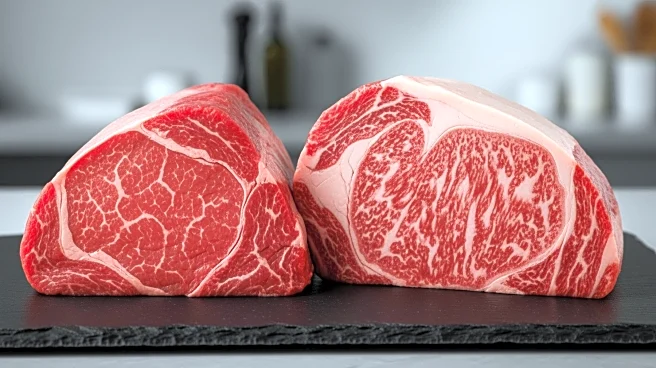
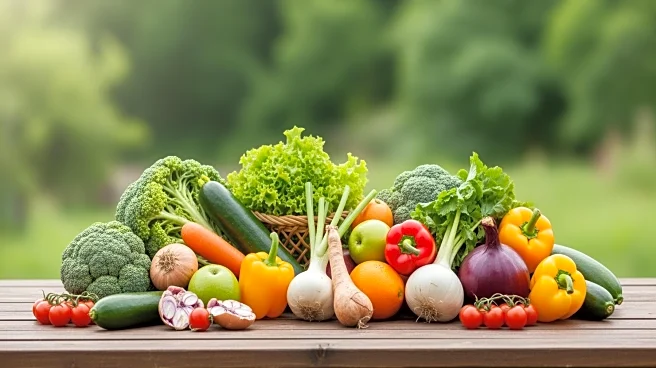
the consumption of 'real food' over highly processed alternatives. The guidelines advocate for increased intake of protein, dairy, vegetables, fruits, healthy fats, and whole grains, while recommending a reduction in foods high in refined carbohydrates, added sugars, and unhealthy fats. The initiative aims to address the national health crisis, where a significant portion of healthcare spending is directed towards treating chronic diseases linked to poor diet.
Why It's Important?
The introduction of these guidelines is crucial as it addresses the growing health concerns in the United States, where over 70% of adults are overweight or obese, and a significant number of adolescents are prediabetic. By promoting a diet rich in whole foods, the guidelines aim to reduce the prevalence of diet-related chronic diseases, which not only affect individual health but also national security, as many young Americans are disqualified from military service due to health issues. The guidelines also represent a shift in federal policy towards supporting American farmers and producers of whole foods, potentially impacting agricultural and food industries.
What's Next?
The implementation of these guidelines will require coordinated efforts across various sectors, including healthcare, education, and government. Stakeholders such as healthcare professionals, insurers, educators, and community leaders are called upon to support this initiative. The guidelines are expected to influence federal nutrition policies in schools and military cafeterias, and serve as a consumer guide for healthier eating. The success of this initiative will depend on widespread adoption and support from both public and private sectors.