









What's Happening?
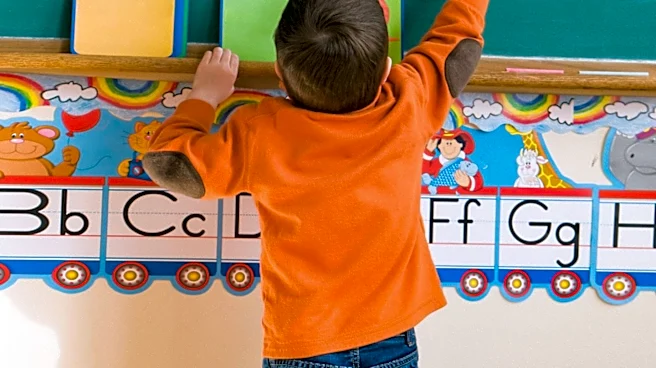
A recent survey conducted by EdWeek reveals that kindergarten teachers prioritize emotional self-regulation over academic readiness for incoming students. The survey, which gathered responses from 574 educators, highlights a growing concern about young
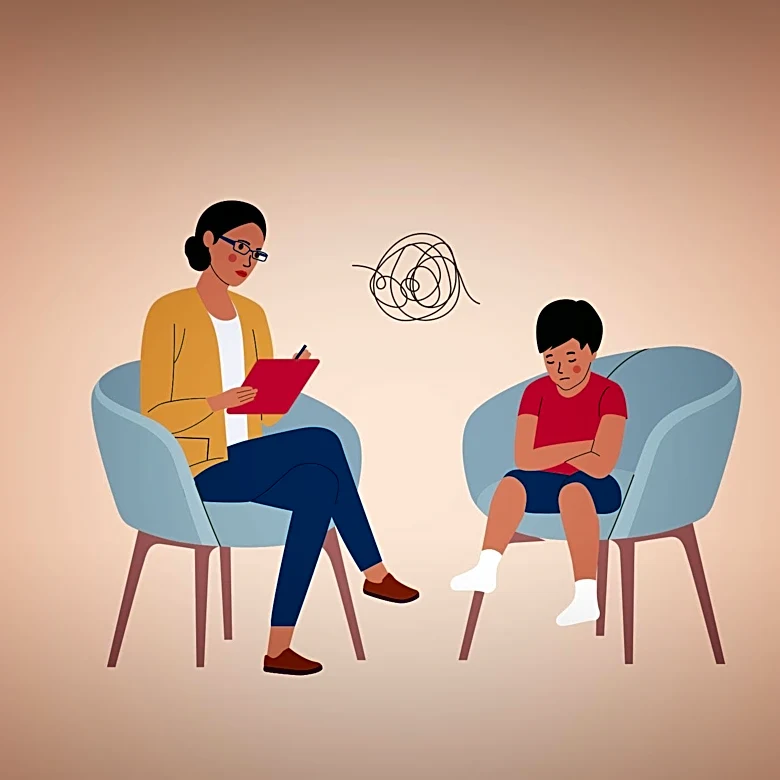
learners' ability to manage their emotions. According to Ian Knox, principal of Hamagrael Elementary School in New York, there has been a noticeable increase in students' inability to cope with challenges, leading to classroom disruptions. This trend is supported by a January 2026 survey from the EdWeek Research Center, where 59% of early educators reported worsening student behavior over the past two years. The emphasis on emotional regulation comes despite the traditional focus on academic skills, particularly reading, in kindergarten curricula.
Why It's Important?
The shift in focus from academic readiness to emotional regulation in kindergarten reflects broader educational challenges. As schools continue to emphasize reading and academic skills, the inability of students to regulate emotions can hinder learning and classroom dynamics. This trend suggests a need for educational policies that balance emotional and academic development. The findings also point to potential gaps in parental support for emotional development, as highlighted by experts like Marc Brackett from Yale University. The reliance on digital devices by both parents and children is seen as a contributing factor to emotional regulation issues, indicating a societal shift that could impact future educational strategies.
What's Next?
Schools may need to adapt their curricula to better support emotional development alongside academic skills. This could involve training for teachers in emotional intelligence and the integration of social-emotional learning programs. Additionally, there may be increased advocacy for parental education on emotional regulation to support children's development at home. As educators and policymakers address these challenges, the balance between emotional and academic readiness will likely become a focal point in early childhood education reform.
Beyond the Headlines
The emphasis on emotional regulation over academic readiness in kindergartners could have long-term implications for educational practices and child development. This shift may lead to a reevaluation of educational success metrics, moving beyond traditional academic achievements to include emotional and social competencies. Furthermore, the role of technology in children's lives and its impact on emotional development may prompt further research and policy discussions. As society grapples with these changes, the education system may need to evolve to better prepare children for the complexities of modern life.