






What's Happening?
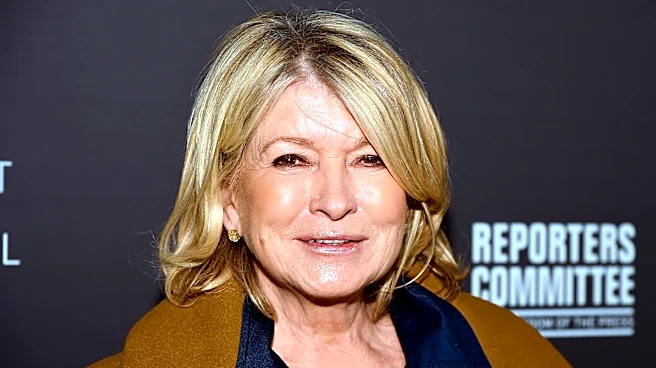
Martha Stewart is facing significant criticism for a Halloween Instagram post where she dressed as a homeless person, holding a sign that read, 'I AM HUNGRY HELP ME!!' The post, which has since been deleted, also promoted candles she was selling on QVC.
Crisis management experts have stated that her subsequent attempts to apologize have worsened the situation. Initially, Stewart claimed the costume was intended to raise awareness about homelessness. However, this explanation was met with skepticism, particularly given her estimated $400 million net worth and the photo's setting in front of her lavish Katonah, New York estate. Further apologies, including one on 'The Today Show' where she jokingly blamed host Craig Melvin for the costume choice, have been criticized for appearing insincere and defensive. Experts suggest she should have offered a straightforward apology and committed to action against homelessness from the outset.
Why It's Important?
This incident highlights the critical importance of authentic and immediate crisis management in the public eye, especially for prominent figures like Martha Stewart. Her missteps in handling the backlash demonstrate how initial defensive reactions and inconsistent apologies can exacerbate public relations crises. For businesses and public figures, the incident underscores the need for genuine accountability and a clear understanding of public sentiment. The situation also brings to light the ethical considerations surrounding the portrayal of sensitive social issues, such as homelessness, by individuals of significant wealth. The public's reaction and the advice from crisis management professionals emphasize that sincerity and a commitment to tangible action, rather than mere words, are crucial for rebuilding trust and reputation after a public misstep.
What's Next?
Crisis management experts suggest that for the controversy to subside, Martha Stewart needs to move beyond verbal apologies and demonstrate a tangible commitment to addressing homelessness. Suggestions include making significant donations to relevant charities or actively participating in initiatives to combat homelessness. Without such a gesture, the story is likely to persist in public discourse. The ongoing scrutiny of her actions and statements indicates that the public and media are looking for more than just words. Her future public appearances and social media activity will likely be closely watched for any signs of genuine engagement with the issue she initially claimed to be raising awareness for. The incident serves as a case study for other public figures on how not to manage a crisis involving social insensitivity.
Beyond the Headlines
The Martha Stewart Halloween costume controversy delves into deeper societal implications regarding wealth disparity and the representation of marginalized communities. Her portrayal of a homeless person, juxtaposed with her immense personal wealth and luxurious surroundings, sparked a debate about privilege and empathy. The incident raises questions about whether individuals in positions of influence truly understand the lived experiences of those less fortunate, or if their attempts at 'awareness' can inadvertently trivialize serious social issues. Ethically, it underscores the responsibility of public figures to consider the broader impact of their actions and imagery. Culturally, it reflects a growing demand for authenticity and social consciousness from celebrities and brands, where performative gestures are increasingly scrutinized and often rejected by a discerning public.