
What's Happening?
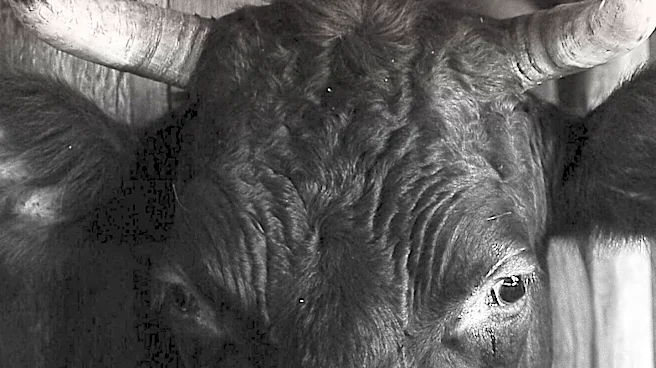
Florida rancher Keith Ludwig has placed a permanent conservation easement on his 660-acre property along Brushy Creek in Hardee County. This legal restriction prevents future development on the land, ensuring
it remains a working cattle ranch while also preserving critical habitat for wildlife such as the Florida panther and eastern indigo snake. Ludwig, a first-generation rancher, acquired the land after years of saving and subsequently opted for this conservation measure. The easement was facilitated through the Rural and Family Lands Protection Program, administered by the Florida Department of Agriculture and Consumer Services (FDACS). This program allows landowners to retain ownership and continue agricultural operations while selling development rights to the state. The FDACS valued the Ludwig easement at $3,850,000. The Florida Conservation Group highlighted the property's role in closing a gap in the Florida Wildlife Corridor, a statewide network aimed at maintaining continuous habitat.
Why It's Important?
This conservation easement is significant for several reasons. Firstly, it exemplifies a growing trend where private landowners actively participate in environmental preservation without relinquishing ownership or their livelihood. By maintaining the land as a working ranch, it supports both agricultural heritage and ecological integrity. Secondly, the protection of this specific parcel contributes to the broader Florida Wildlife Corridor initiative, which is crucial for the survival of endangered species by preventing habitat fragmentation. The property's location within the Peace River watershed also offers benefits for water quality, aquifer recharge, and flood attenuation, directly impacting the drinking water supply for nearly one million residents. This model of conservation, which compensates landowners for development rights, provides a financially viable option for those who wish to preserve their land but might otherwise be compelled to sell for development.
What's Next?
The successful implementation of this conservation easement on the Ludwig property may encourage other landowners in the Peace River Valley and across Florida to consider similar programs. The Florida Conservation Group actively works with ranchers to navigate these agreements, and Ludwig himself hopes his actions will inspire others. As development pressures continue to mount in Florida, programs like the Rural and Family Lands Protection Program will likely become even more critical in balancing economic growth with environmental preservation. Future efforts will likely focus on identifying and securing additional strategic parcels to further connect and strengthen the Florida Wildlife Corridor, ensuring long-term ecological connectivity and agricultural sustainability in the state.
Beyond the Headlines
The decision by Keith Ludwig to place a conservation easement on his ranch highlights a deeper philosophical shift among some landowners who view their property not just as an asset but as a stewardship responsibility. This action challenges the conventional narrative of land ownership solely as a means for speculative development. It underscores the value of working landscapes in maintaining biodiversity and ecosystem services, often overlooked in rapid urbanization. Ethically, it represents a commitment to future generations, ensuring that critical natural resources and agricultural traditions are preserved. Legally, these easements create a permanent legacy, binding future owners to the conservation terms. Culturally, it reinforces the idea that agriculture and conservation can be mutually beneficial, fostering a more sustainable relationship between human activity and the natural environment in Florida.