






What's Happening?
A proposed 750-megawatt pumped storage hydropower project, known as the Fish Creek Pumped Storage Project, near Nevada City, California, has entered federal review. The Federal Energy Regulatory Commission (FERC) has accepted the preliminary permit application
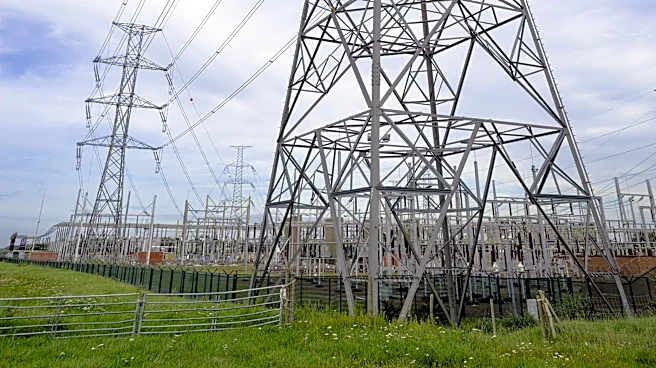
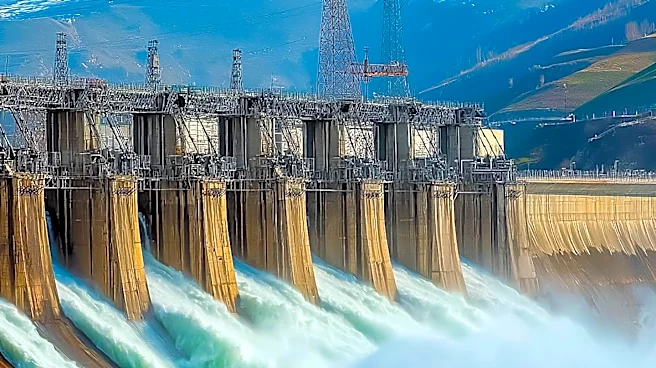
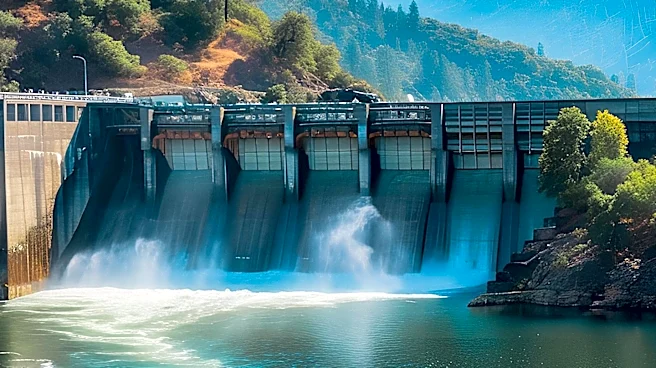
for this 'mountain water battery,' which aims to store excess green energy. The project, proposed by RamaFlux Sierra PSH, LLC, will feature dual artificial reservoirs at different elevations: an upper pool at 4,200 feet and a lower pool at 2,600 feet. The system is designed to pump surplus midday solar power uphill to the upper reservoir and then release the stored water through penstocks to drive reversible pump-turbines as energy demand increases after sunset. A new 230-kilovolt transmission line will then transmit the clean electricity to the regional grid. The public has until November 30, 2026, to submit comments, competing applications, or motions to intervene.
Why It's Important?
This project is crucial for California's energy future, especially given the state's rapid expansion as a data center market and its statutory climate mandates for 100% clean power by 2045. The proposed mountain water battery offers a long-duration energy storage solution that can absorb midday solar overgeneration and offset evening peak fossil-fuel reliance, thereby strengthening the power grid. California's data centers currently consume about 1,000 megawatts, a figure projected to rise to 4,500 megawatts by 2040, placing significant strain on the grid. While lithium-ion batteries provide short-term storage, they are not ideal for multi-day storage due to chemical degradation and high costs. Pumped storage hydropower, like the Fish Creek project, provides a pathway to true grid resilience by offering multi-hour dispatchable clean capacity, supporting expanding AI data centers, and helping meet climate goals sustainably.
What's Next?
The project is currently undergoing federal review, with the public comment period extending until November 30, 2026. Following this, FERC will continue its assessment, and if approved, construction can proceed. The successful implementation of this project would significantly enhance California's ability to integrate renewable energy sources and manage its power grid more effectively. Future steps will involve detailed environmental impact assessments, engineering designs, and securing necessary funding. The outcome of this review will also set a precedent for other long-duration energy storage projects across the U.S., particularly as states grapple with increasing energy demands from sectors like AI and the transition to clean energy.
Beyond the Headlines
The Fish Creek Pumped Storage Project highlights a critical shift in energy infrastructure development towards innovative, long-duration storage solutions. The surge in AI data centers has created an unprecedented demand for continuous, high-capacity electricity, pushing states like California to seek alternatives to traditional fossil fuels and short-duration batteries. This project underscores the complex interplay between technological advancement, environmental mandates, and grid stability. The rigorous federal oversight by FERC reflects the importance of ensuring these large-scale projects are both effective and environmentally sound. The project's success could pave the way for similar initiatives, demonstrating how natural geographical features can be leveraged to support a sustainable, digital-age economy while addressing the challenges of intermittent renewable energy sources.