





What's Happening?
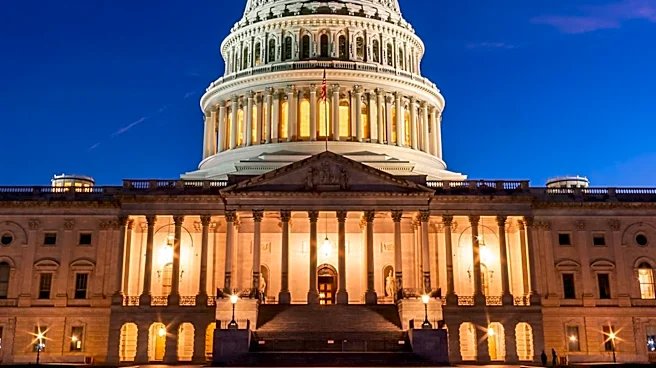
U.S. Representative Glenn 'GT' Thompson, alongside Massachusetts Congressman Bill Keating, has introduced legislation aimed at reaffirming the United States' relationship with Germany. This resolution seeks to support continued cooperation between the two
nations. Representative Thompson highlighted that many Pennsylvanians, particularly in his district, have German roots, underscoring the local relevance of this international partnership. The proposed legislation is intended to formally recognize the shared interests and alliance between the U.S. and Germany, emphasizing the historical and cultural ties that bind the two countries. This move comes as part of broader efforts to strengthen diplomatic and economic bonds with key international allies.
Why It's Important?
This legislative initiative is important because it underscores the enduring strategic and cultural significance of the German-American relationship for the United States. Germany is a crucial economic partner and a key ally in various international forums, including NATO. Reaffirming this partnership through legislation can provide stability and predictability in foreign policy, which is vital for U.S. national security and economic interests. Strong alliances enable coordinated responses to global challenges, from economic stability to security threats. For U.S. industries, particularly those with significant trade or investment ties to Germany, this reaffirmation can foster a more secure and favorable environment for business and collaboration. It also acknowledges the substantial German-American population within the U.S., recognizing their contributions and the cultural bridges they maintain between the two nations.
What's Next?
The proposed resolution will now proceed through the legislative process in the U.S. House of Representatives. It will likely be referred to relevant committees for review and potential debate. The bipartisan nature of its introduction, with both Representative Thompson and Congressman Keating sponsoring it, suggests a degree of consensus on the importance of the German-American relationship, which could facilitate its passage. Should it pass the House, it would then move to the Senate for consideration. The resolution's progression will be watched by diplomatic circles in both countries, as its adoption would send a clear signal of continued commitment to the alliance. Future discussions may involve specific areas of cooperation, such as trade, defense, or cultural exchange, building upon the foundation laid by this reaffirmation.
Beyond the Headlines
Beyond the immediate diplomatic gesture, this resolution touches upon the deeper fabric of U.S. foreign policy, which often relies on strong, established alliances. In an increasingly complex global landscape, formal reaffirmations of partnerships can serve as a bulwark against geopolitical uncertainties. It also highlights the role of cultural heritage in shaping legislative priorities, as Representative Thompson noted the German roots of many of his constituents. This connection between diaspora communities and foreign policy can influence how international relations are perceived and supported domestically. Furthermore, such legislative acts can subtly influence public perception and media narratives, reinforcing the idea of a stable and beneficial international order, which is crucial for maintaining long-term strategic advantages and fostering mutual trust between nations.