



What's Happening?
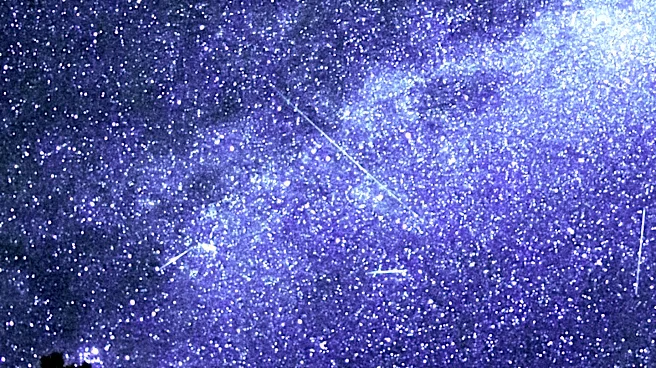
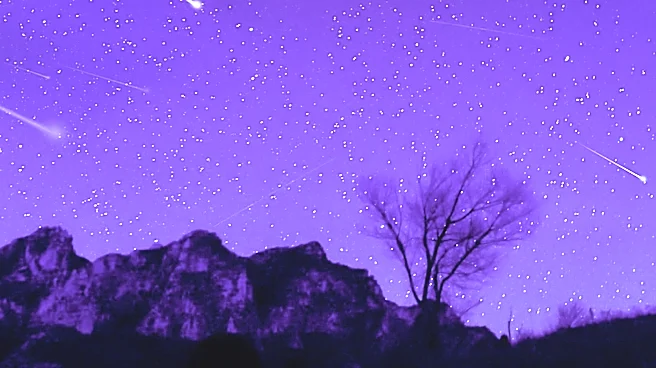
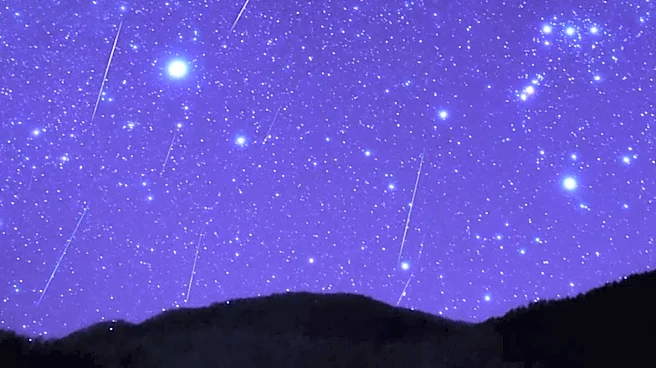
Astronomy Magazine reports on the celestial events occurring from July 24 to 31, 2026, with a focus on the Southern Delta Aquariids meteor shower. This meteor shower is expected to peak during this period, although visibility may be affected by the bright
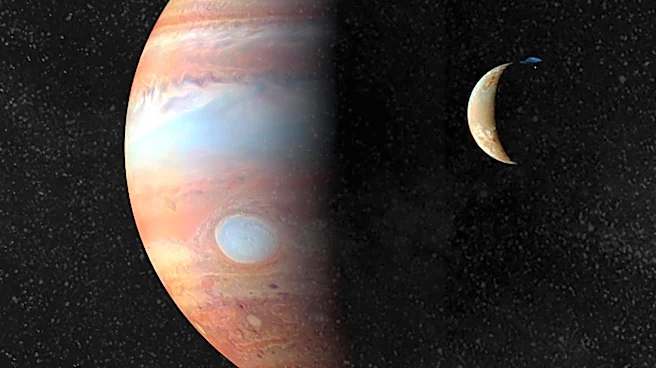
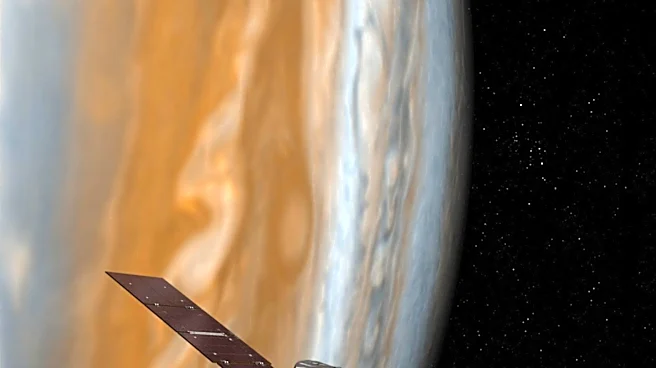
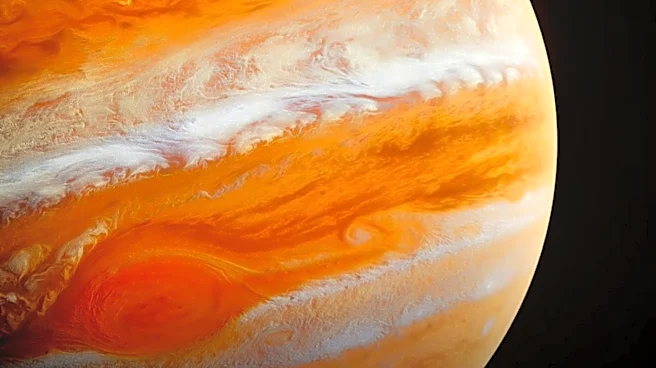
light of the nearly full moon. The magazine also notes that Jupiter will reach conjunction with the Sun, making it invisible from Earth until it reappears in the early morning sky in about a month. Additionally, the article provides details on the positions and movements of various celestial bodies, including the Moon's proximity to the star Antares and the opposition of asteroid 3 Juno.
Why It's Important?
The Southern Delta Aquariids meteor shower offers a unique opportunity for stargazers and astronomy enthusiasts to observe a natural celestial event. Despite the challenge posed by the bright moonlight, the event highlights the dynamic nature of the night sky and encourages public interest in astronomy. The conjunction of Jupiter with the Sun is also significant as it marks a period when the planet is not visible from Earth, affecting observations and studies of the solar system's largest planet. These events contribute to a broader understanding of celestial mechanics and the movement of astronomical bodies.
What's Next?
As the Southern Delta Aquariids meteor shower peaks, observers are encouraged to look for meteors in the sky, particularly in areas with minimal light pollution. The reappearance of Jupiter in the early morning sky in the coming month will provide new opportunities for observation and study. Astronomers and enthusiasts will continue to track the movements of celestial bodies, including the Moon's path and the positions of asteroids like Juno, to gain further insights into the workings of our solar system.