

What's Happening?
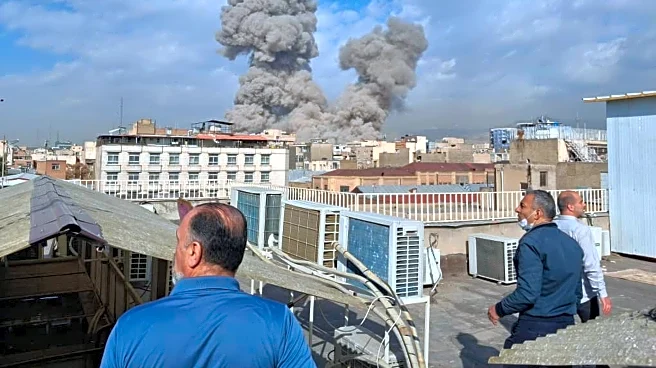
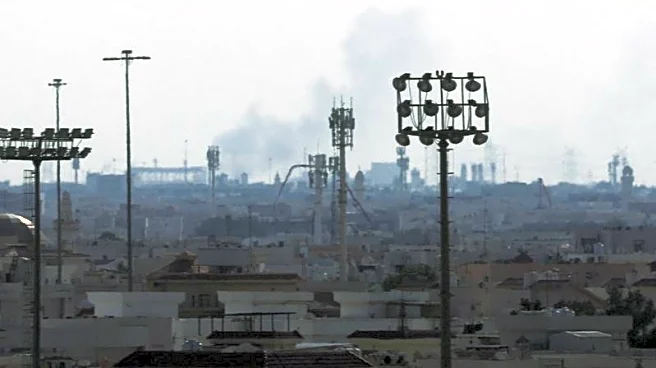
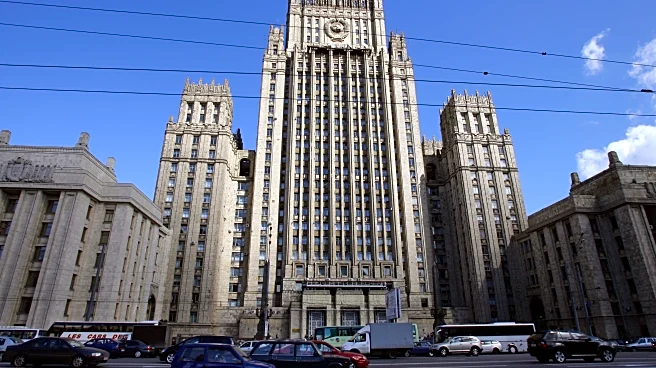
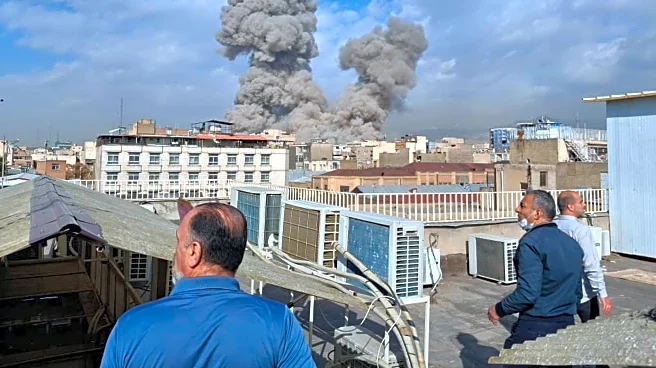
World leaders have reacted to the joint U.S.-Israeli military operation in Iran, with varying perspectives on the action. Germany, France, and the U.K. have called on Iran to cease regional attacks, while Russia has condemned the strike as a 'premeditated
and unprovoked act of armed aggression.' The operation has raised concerns about the potential for escalating regional conflict, with countries around the world closely monitoring the situation. The operation aims to address threats posed by Iran, but has sparked international debate over its justification and potential consequences.
Why It's Important?
The international response to the U.S.-Israeli operation in Iran highlights the geopolitical complexities and differing national interests in the Middle East. The condemnation by Russia and calls for restraint by European nations reflect broader concerns about regional stability and the risks of military escalation. The operation could impact diplomatic relations and alliances, influencing global power dynamics. The situation underscores the challenges of balancing security objectives with diplomatic efforts to maintain peace and stability in a volatile region.
What's Next?
The unfolding situation may lead to increased diplomatic efforts to de-escalate tensions and prevent further conflict. Countries involved in the operation may face pressure to justify their actions and address international concerns. The potential for retaliatory actions by Iran or its allies could further complicate the situation, necessitating strategic responses from the U.S. and Israel. Ongoing monitoring and dialogue among global leaders will be crucial in managing the crisis and seeking pathways to resolution.