






What's Happening?
The Environmental Protection Agency (EPA) is contemplating a regulatory shift that could ease air pollution standards for facilities engaged in chemical plastic recycling. This potential change has raised alarms among environmental advocates who fear
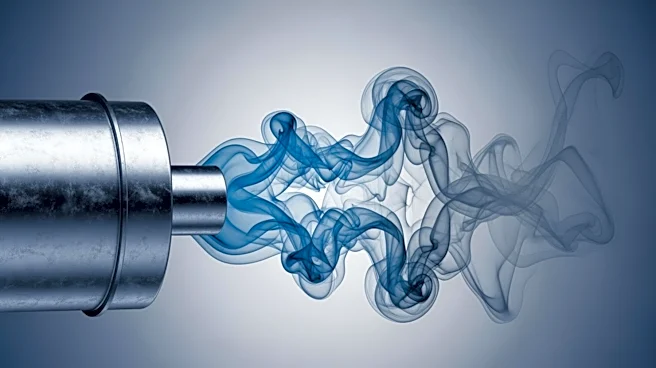
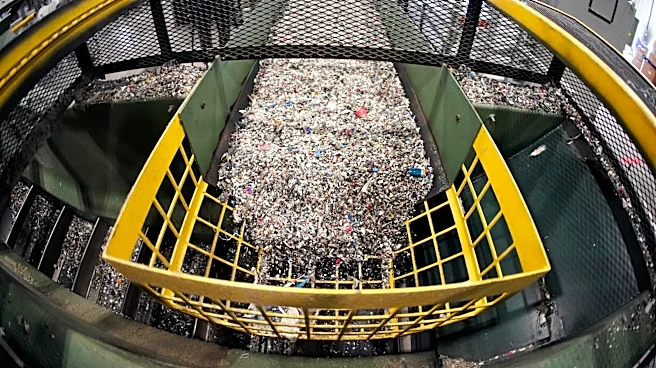
it could lead to increased pollution without adequate federal oversight. The plastics industry, however, argues that the change would clarify existing regulations while maintaining emission controls. Chemical recycling, particularly through pyrolysis, is currently regulated as incineration under the Clean Air Act, which imposes strict limits on emissions of various pollutants. The EPA is considering reclassifying pyrolysis as manufacturing, a move supported by the American Chemistry Council, which argues that the process is more akin to recycling than incineration. Critics, including former EPA regional administrator Judith Enck, warn that this reclassification could weaken environmental protections and lead to unchecked pollution.
Why It's Important?
The potential regulatory change by the EPA could have significant implications for environmental policy and public health. If chemical recycling facilities are reclassified as manufacturing, they may not be subject to the stringent emissions standards currently applied to incinerators, potentially increasing the risk of hazardous pollutants being released into communities. This shift could benefit the plastics industry by reducing regulatory burdens and encouraging the expansion of chemical recycling facilities. However, it may also undermine efforts to curb plastic pollution and protect air quality. The debate highlights the ongoing tension between industrial interests and environmental advocacy, with potential consequences for regulatory practices and community health standards.
What's Next?
The EPA is currently seeking public comments on the proposed rule change, which could lead to a formal reclassification of pyrolysis under the Clean Air Act. Environmental groups are expected to continue opposing the change, potentially leading to legal challenges if the rule is finalized. The outcome of this regulatory process could influence future legislative efforts at both state and federal levels regarding the classification and regulation of chemical recycling. Stakeholders, including industry representatives and environmental advocates, will likely engage in further discussions and lobbying to shape the final decision.
Beyond the Headlines
The proposed regulatory change by the EPA could have broader implications for the perception and practice of recycling in the U.S. By potentially classifying chemical recycling as manufacturing, the EPA may inadvertently shift focus away from reducing plastic production and towards technological solutions for waste management. This could impact long-term strategies for addressing plastic pollution and influence public and policy debates on sustainable practices. The decision may also set a precedent for how emerging recycling technologies are regulated, affecting innovation and investment in the sector.