
What's Happening?
The Trump administration's decision to cut $8 billion in U.S. foreign aid, including funding from USAID, has exacerbated the humanitarian crisis in South Sudan. The region, already struggling with civil
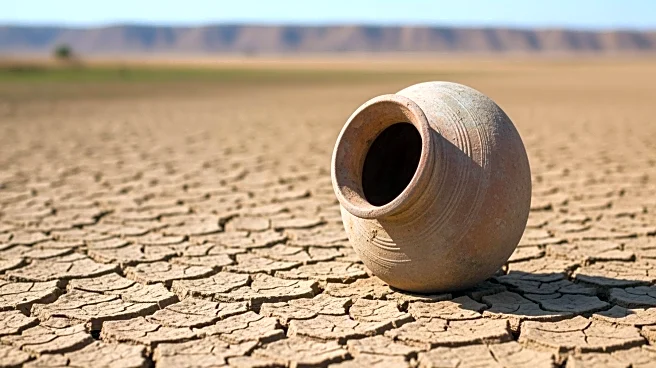
war and climate-induced flooding, has seen a significant reduction in essential services such as food, health, and medical aid. The Alaska Health Project South Sudan (AHPSS), a small nonprofit, has been working to provide clean water and sustainable farming education in the region. However, the withdrawal of USAID funding has left many humanitarian organizations operating on limited budgets, forcing smaller groups like AHPSS to fill the void. The lack of funding has led to increased mortality rates due to diseases like cholera, as well as malnutrition and starvation among the population.
Why It's Important?
The cuts to USAID funding have had a profound impact on South Sudan, a country where 92% of the population lives below the poverty line. The reduction in aid has led to the closure of health facilities and a decrease in food distribution, worsening the already dire conditions. The humanitarian crisis in South Sudan highlights the critical role of international aid in supporting vulnerable populations. The decision to cut aid not only affects the immediate survival of those in need but also undermines long-term development efforts. The situation in South Sudan serves as a stark reminder of the consequences of reducing foreign aid, particularly in regions facing multiple crises.
What's Next?
The ongoing humanitarian crisis in South Sudan requires urgent attention and support from the international community. Organizations like AHPSS continue to work tirelessly to provide essential services, but the need for additional funding and resources is critical. The U.S. government and other international donors may need to reconsider their aid strategies to ensure that vulnerable populations receive the support they need. The situation also calls for increased collaboration between humanitarian organizations to maximize the impact of available resources. As the crisis continues, the focus will likely remain on addressing immediate needs while also working towards sustainable solutions for the future.
Beyond the Headlines
The withdrawal of USAID funding has broader implications for U.S. foreign policy and its role in global humanitarian efforts. The decision to cut aid reflects a shift in priorities that could affect the U.S.'s reputation and influence on the international stage. Additionally, the crisis in South Sudan underscores the importance of addressing systemic issues within the aid industry, such as corruption and inefficiencies, to ensure that resources are used effectively. The situation also highlights the resilience and determination of local communities and organizations working to overcome challenges despite limited support.