







What's Happening?
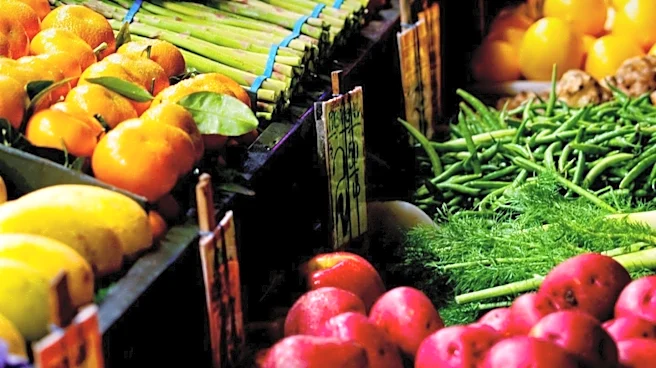
North Carolina health officials have reported at least 240 cases of cyclosporiasis since May 1, 2026. This foodborne illness is caused by the parasite Cyclospora, which is often linked to the consumption of raw produce and herbs such as parsley and cilantro.
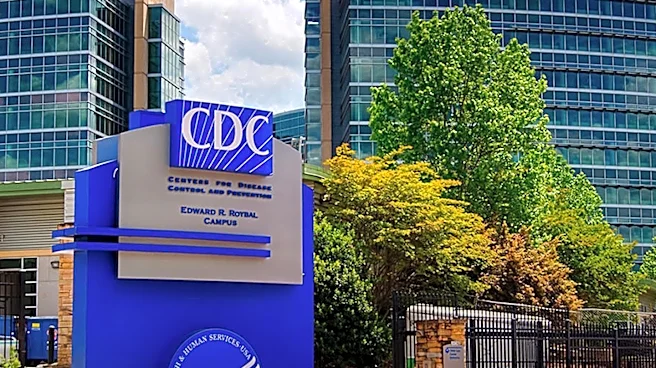
The North Carolina Department of Health and Human Services is actively investigating these cases to identify potential sources of infection. The outbreak is not limited to North Carolina, as cases have been reported in at least 18 states. Health officials are conducting interviews with patients and coordinating with local, state, and federal agencies to determine if the cases are linked to a common food source. The U.S. Food and Drug Administration has issued guidelines for handling produce, emphasizing the importance of washing hands and produce thoroughly to prevent contamination.
Why It's Important?
The outbreak of cyclosporiasis highlights the ongoing challenges in food safety, particularly with fresh produce. This situation underscores the need for stringent food handling practices and the importance of public awareness regarding the risks associated with consuming raw produce. The economic impact could be significant, affecting the agricultural sector, particularly producers of herbs and leafy greens. Public health systems are also under pressure to manage and contain the outbreak, which could lead to increased healthcare costs and resource allocation. Consumers may become more cautious, potentially affecting market demand for certain produce items.
What's Next?
Health officials will continue their investigations to trace the source of the outbreak, which may involve further interviews and data analysis. There could be increased regulatory scrutiny on produce suppliers and distributors to ensure compliance with safety standards. Public health advisories may be issued to inform and educate the public on safe food handling practices. If a specific source is identified, recalls or warnings may be issued to prevent further cases. The situation may prompt discussions on improving food safety regulations and practices at both state and national levels.