

What's Happening?
The no-fly zone over Walt Disney World, which has been in place since shortly after 9/11, no longer appears on the Federal Aviation Administration’s (FAA) public list of active flight restrictions. This change was observed on November 10th, with the counterpart
restriction over Disneyland also missing. The Walt Disney World restriction, in its current form since October 27, 2014, covered Magic Kingdom and most of EPCOT up to 3,000 feet. Despite its removal from the public list, reports indicate that air traffic control at Orlando International Airport is still advising pilots in the area that the Disney World restriction remains in effect. The FAA and Disney World have not yet provided a statement explaining the removal, nor is there any record of Congress changing the 2003 law that initially mandated these restrictions. The original restrictions were established in 2003 through a provision in a federal spending bill, reportedly at the behest of a Disney lobbyist to prevent aerial banner ads and low-flying aircraft over the parks.
Why It's Important?
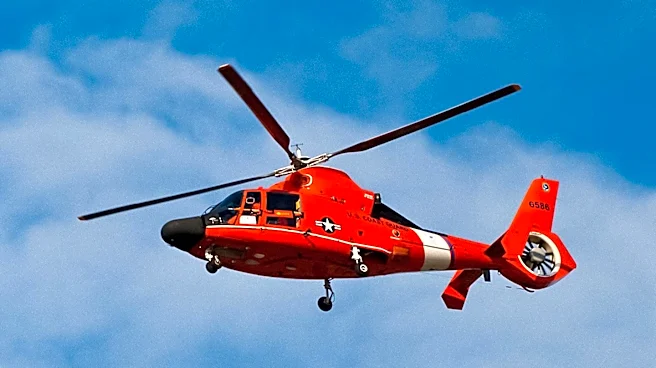
The disappearance of the Disney World no-fly zone from the FAA's public list carries significant implications for airspace management, commercial operations, and the ongoing political discourse surrounding the theme park. If the removal is permanent, it could open the skies above Magic Kingdom and EPCOT to banner-towing planes and sightseeing helicopters, which were previously restricted. This could impact the guest experience and potentially create new commercial opportunities for aerial advertisers and tour operators. Conversely, if the restriction is still being enforced despite its absence from the public list, it creates confusion and potential legal ambiguities for pilots. The situation also highlights the political sensitivity surrounding Disney, especially after Rep. Troy Nehls and other Republican members of Congress previously attempted to repeal the no-fly zones in 2022 and 2023, framing it as a matter of fairness and opposing special treatment for the theme park. The lack of clarity from the FAA and Disney could lead to further scrutiny and debate regarding the enforcement and transparency of airspace regulations.
What's Next?
The immediate next steps involve clarification from the FAA regarding the status of the Walt Disney World and Disneyland no-fly zones. Pilots and air traffic control need clear guidance on whether these restrictions are still legally binding and enforceable. If the removal from the public list signifies a permanent change, the FAA would likely need to issue an official notice or statement. This could lead to a re-evaluation of airspace regulations around other large public venues or theme parks. Furthermore, the situation may reignite political discussions, particularly among lawmakers who have previously advocated for the repeal of these restrictions. Businesses that operate aerial advertising or sightseeing tours might explore new opportunities if the airspace becomes accessible. Conversely, Disney may need to address potential impacts on guest experience and security if low-flying aircraft are no longer prohibited. The ongoing reports of air traffic control still advising pilots of the restriction suggest a discrepancy that requires urgent resolution to ensure aviation safety and regulatory compliance.
Beyond the Headlines
This development touches upon broader themes of regulatory transparency, corporate influence in legislation, and the evolving nature of security measures. The initial establishment of the no-fly zones in 2003, reportedly influenced by Disney's lobbying efforts, raises questions about how special interests can shape federal regulations. The current ambiguity surrounding the restrictions' status underscores the importance of clear and consistent communication from regulatory bodies like the FAA. From a legal perspective, the discrepancy between the public list and reported enforcement could create challenges for pilots who might unknowingly violate a de facto restriction. Culturally, the no-fly zone has been a subtle but significant aspect of the Disney park experience, contributing to a sense of enclosed magic. Its potential removal could alter this perception. The political attempts to repeal the restrictions also highlight the ongoing tension between corporate autonomy and government oversight, particularly when a company becomes a target of political criticism. This incident could serve as a case study for examining the interplay between public policy, corporate lobbying, and the practical implications for various stakeholders.