






What's Happening?
The European Union has taken a significant step towards approving a $105 billion loan for Ukraine after Hungary dropped its opposition. The loan, which had been stalled due to Hungary's veto, is intended to support Ukraine's government and military efforts
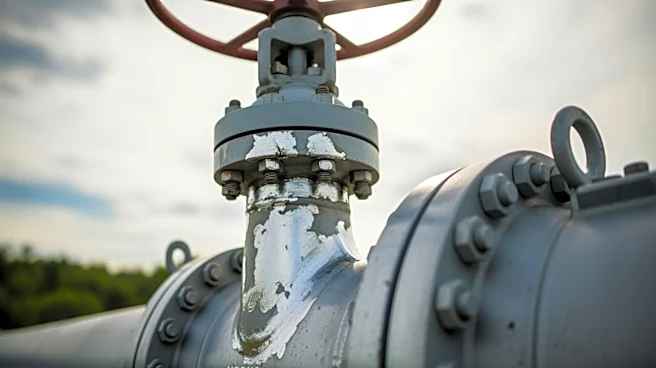
against Russia's ongoing invasion. Hungarian Prime Minister Viktor Orban, who had been the main opponent of the loan, lost his reelection campaign, paving the way for the loan's approval. The loan package is expected to receive formal approval soon, providing crucial financial support to Ukraine. The decision comes after Hungary's state oil company MOL confirmed the resumption of oil deliveries through the Druzhba pipeline, which had been disrupted by a Russian airstrike.
Why It's Important?
The approval of the loan is a critical development for Ukraine, as it provides essential financial resources to sustain its government and military operations amid the conflict with Russia. This move also reflects the European Union's commitment to supporting Ukraine and maintaining regional stability. The loan is seen as a strategic measure to counter Russian influence and bolster European security. The shift in Hungary's stance, following Orban's electoral defeat, indicates a potential realignment in Hungary's foreign policy, which could lead to improved relations between Kyiv and Budapest. The financial aid underscores the EU's dedication to upholding European values and supporting Ukraine's integration into the European community.
What's Next?
With the loan expected to be formally approved soon, Ukraine will likely focus on utilizing the funds to strengthen its military capabilities and stabilize its economy. The resumption of oil deliveries through the Druzhba pipeline may also lead to improved diplomatic relations between Ukraine and Hungary. European officials will continue to monitor the situation closely, ensuring that the financial support is effectively used to advance Ukraine's integration into the EU. The geopolitical dynamics in the region may shift as Hungary's new leadership potentially adopts a more EU-aligned foreign policy, impacting future EU-Ukraine relations.
Beyond the Headlines
The loan approval highlights the complex interplay of European politics and the influence of domestic elections on international policy decisions. Hungary's shift in stance following Orban's electoral defeat illustrates how political changes can impact international relations and policy outcomes. The situation also underscores the importance of energy security in geopolitical negotiations, as the disruption and subsequent resumption of oil deliveries played a pivotal role in Hungary's decision to lift its veto. The broader implications of this development may include increased EU cohesion in addressing security challenges posed by Russia.