







What's Happening?
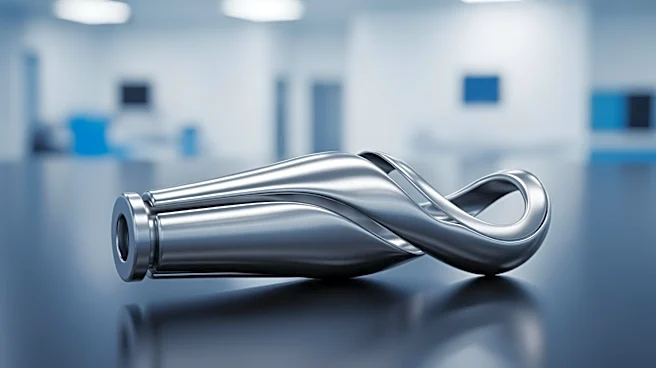
Capitan Orthopedics, Inc. has announced that its SupraSpacer™ implant has been granted Breakthrough Device Designation by the U.S. Food and Drug Administration (FDA). This implant is designed to address irreparable rotator cuff tears, a condition affecting
over 2 million people annually in the U.S., with more than 700,000 undergoing surgery each year. The SupraSpacer™ offers a biomechanical solution that aims to reduce pain and improve patient function by maintaining joint alignment and allowing a full range of motion. The implant is particularly beneficial for patients under 60, for whom traditional soft tissue procedures or reverse shoulder replacements are not ideal. Capitan Orthopedics, backed by Genesis Innovation Group, aims to fill a significant gap in the care continuum for these patients.
Why It's Important?
The FDA's Breakthrough Device Designation is significant as it highlights the unmet medical need for effective solutions for irreparable rotator cuff tears. This designation can expedite the development and review process, potentially bringing the SupraSpacer™ to market more quickly. The implant's ability to provide a long-term solution while preserving future surgical options is crucial for younger, active patients. This development could lead to improved surgical outcomes and patient satisfaction, reducing the need for more invasive procedures. The innovation also represents a potential shift in orthopedic care, emphasizing minimally invasive solutions that enhance recovery and quality of life.
What's Next?
With the Breakthrough Device Designation, Capitan Orthopedics is poised to accelerate the development and commercialization of the SupraSpacer™ implant. The company will likely focus on completing regulatory requirements and preparing for market entry. Surgeons and healthcare providers may begin to evaluate the implant's integration into existing surgical workflows. The designation may also attract further investment and partnerships, enhancing Capitan Orthopedics' ability to scale production and distribution. As the implant moves closer to market availability, it could prompt discussions within the medical community about best practices for treating irreparable rotator cuff tears.