


What's Happening?
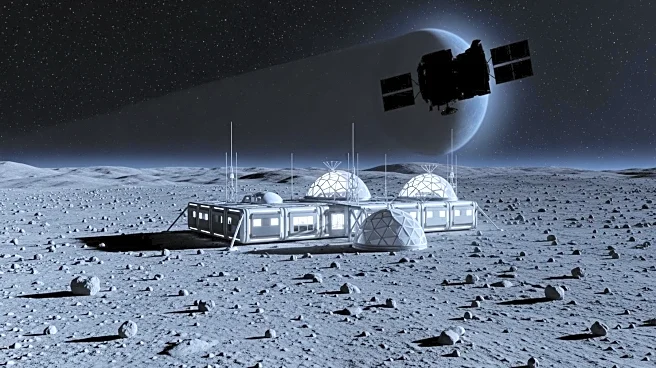
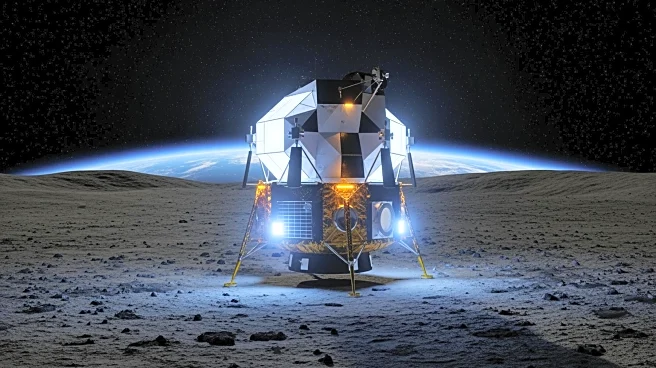
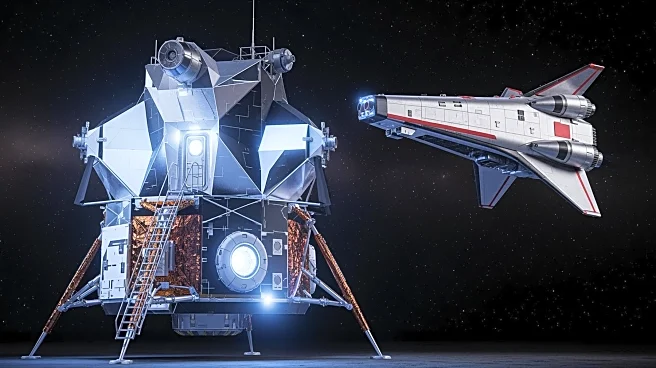
NASA has announced a comprehensive plan to establish a permanent human presence on the moon, as part of a broader strategy to enhance U.S. leadership in space. The plan involves a phased approach, starting with robotic landers and uncrewed rovers to test
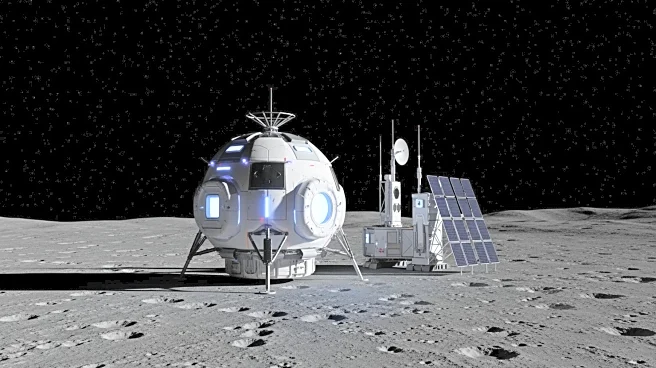
equipment on the lunar surface. This will be followed by semi-habitable modules and regular cargo deliveries to support short astronaut stays. Eventually, the site will be transformed into a continuously occupied base capable of supporting long-duration human missions and future travel to Mars. The initiative is part of President Trump's National Space Policy, emphasizing the need for speed and sustained presence amid global competition.
Why It's Important?
The establishment of a permanent moon base is a strategic move to secure U.S. leadership in space exploration and technology. It reflects a shift in NASA's focus towards sustainable lunar activities, which are crucial for future missions to Mars and beyond. The plan also highlights the importance of international collaboration, with contributions from countries like Japan and Italy. By fostering a competitive commercial ecosystem, NASA aims to reduce costs and increase the frequency of lunar missions. This initiative is expected to drive technological advancements and create new opportunities for scientific research and economic growth.
What's Next?
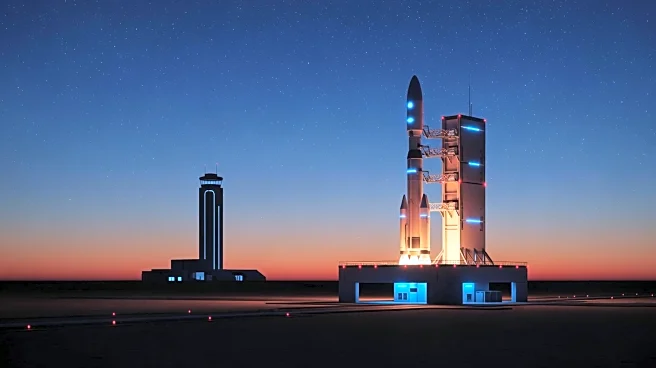
NASA's focus will now turn to executing the plan, with industry responses and international commitments playing a crucial role. The agency plans to release Requests for Information and draft Requests for Proposals to accelerate progress. The success of early lunar missions will be critical in maintaining the ambitious timeline. NASA also intends to rely more on commercially developed and reusable spacecraft to support a lasting presence on the moon. The agency's commitment to embedding subject-matter experts across the supply chain is expected to enhance production and problem-solving capabilities.