




What's Happening?
Kazakhstan is proposing the establishment of a regional food reserve mechanism for Central Asia, spearheaded by the Islamic Organization for Food Security (IOFS), an affiliate of the Organization of Islamic Cooperation (OIC). This initiative aims to enhance
food security coordination and monitoring across the region. Instead of creating a single, centralized stockpile, the proposal envisions a network that connects existing national reserves through agreed-upon rules and procedures. This system would facilitate transparent information exchange, track global and regional food security trends, and monitor the status and volumes of food stocks, enabling timely responses to crises. IOFS Director General Berik Aryn emphasized that this mechanism would complement national reserve systems, improving collective resilience to food crises.
Why It's Important?
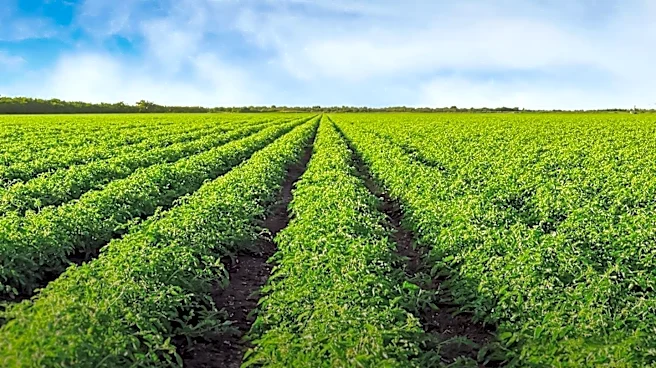
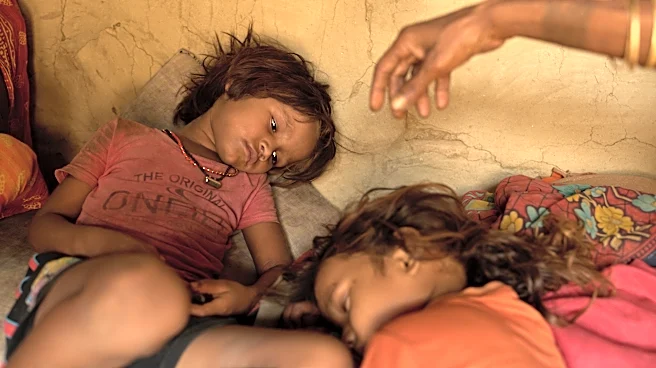
This proposed regional food reserve mechanism holds significant importance for Central Asia, a region where food security is intrinsically linked to water resources and increasingly threatened by climate change. The initiative aims to mitigate the impact of food shortages and price volatility, which can lead to social unrest and economic instability. For the U.S., promoting food security in Central Asia aligns with broader strategic interests in regional stability and counter-terrorism efforts, as food insecurity can be a driver of radicalization. The mechanism's focus on data-driven decision-making and coordinated responses could serve as a model for other regions facing similar challenges. Kazakhstan's pivotal role as a major agricultural producer and host of IOFS headquarters positions it as a key player in fostering regional cooperation and resilience.
What's Next?
The initiative is currently in a preparatory phase, with a Sessional Steering Committee recommending practical implementation through a pilot subregional project involving interested member states. This will involve mobilizing necessary financing and developing agreed mechanisms for the launch of the reserve. IOFS is assessing established models from other regions, such as the Economic Community of West African States, to inform its approach. Future steps include a collaborative mapping of existing storage capacity, identification of strategic commodities, and evaluation of cross-border logistics. A comprehensive simulation exercise will be conducted to test early warning and release protocols. The ultimate decision to establish the reserve rests with the readiness and sovereign priorities of individual member states.
Beyond the Headlines
Beyond its immediate goal of enhancing food security, this initiative has deeper implications for regional integration and cooperation in Central Asia. By fostering a shared framework for managing food resources, it could strengthen political and economic ties among participating nations. The emphasis on transparent information exchange and joint decision-making could build trust and reduce potential conflicts over scarce resources, particularly water, which is a critical factor in the region's food production. The project also highlights the growing recognition of climate change as a direct threat to national security and economic stability, prompting innovative regional solutions. Furthermore, the model of connecting national reserves rather than creating a supranational one respects national sovereignty while achieving collective benefits, offering a blueprint for other international collaborations.