





What's Happening?
Operation ATLAS NEXUS, a large-scale international effort, has successfully identified and dismantled numerous transnational criminal networks, leading to over 490 arrests. This coordinated action involved law enforcement, customs, and judicial authorities
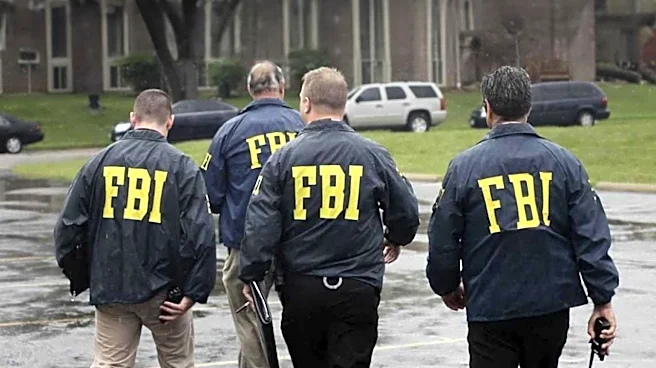
from 35 countries across Latin America, the Caribbean, Europe, and other regions. The United States played a pivotal role in this operation, contributing significantly to information and intelligence sharing, as well as operational actions. The operation targeted five priority criminal markets: drug trafficking, human trafficking, document fraud, firearms trafficking, and environmental crime. Key seizures included 156.9 tonnes of drugs, 201 weapons, 3131 units of ammunition and explosives, 803 wild animals and livestock, and US$135,000 in cash and cryptocurrencies. Additionally, 18 victims of human trafficking were rescued. The operation was coordinated by the European Multidisciplinary Platform Against Criminal Threats (EMPACT MTCN), the European Border and Coast Guard Agency (FRONTEX), and the Caribbean Community (CARICOM) Implementation Agency for Crime and Security (IMPACS), facilitated by the European Union’s EL PACCTO 2.0 programme.
Why It's Important?
The significant involvement of the United States in Operation ATLAS NEXUS underscores its commitment to combating transnational organized crime, which poses substantial threats to national security and public safety. The dismantling of these networks disrupts the flow of illicit goods and funds into and out of the U.S., directly impacting drug availability, illegal firearms, and human trafficking operations within American borders. By participating in such international collaborations, the U.S. helps to weaken criminal organizations at their source, preventing their expansion and reducing their capacity to harm American communities. The operation's focus on various criminal markets highlights the interconnectedness of global crime and the necessity of a unified international response to protect U.S. interests and citizens from these multifaceted threats. The seizures of drugs, weapons, and illicit assets directly impact the financial and operational capabilities of these criminal enterprises, making it harder for them to conduct their activities globally and domestically.
What's Next?
Following the success of Operation ATLAS NEXUS, further investigations are expected to be initiated based on the intelligence gathered and the criminal assets seized. The identification of new modi operandi and routes used by these networks will likely lead to adjustments in international law enforcement strategies and increased vigilance at borders. Continued collaboration between the participating countries and organizations, including the U.S., will be crucial to sustain the pressure on transnational criminal groups and prevent their resurgence. The focus will likely shift towards prosecuting the arrested individuals and recovering additional criminal assets. The insights gained from this operation will also inform future policy decisions regarding international cooperation in combating organized crime, potentially leading to enhanced intelligence-sharing agreements and joint operational frameworks to address evolving criminal threats.
Beyond the Headlines
The success of Operation ATLAS NEXUS highlights the critical importance of international cooperation and intelligence sharing in addressing complex global challenges like transnational organized crime. Beyond the immediate arrests and seizures, the operation signifies a deeper commitment among nations to collectively uphold the rule of law and protect vulnerable populations. The involvement of the U.S. in this extensive network of collaboration reinforces its role as a key player in global security efforts. This type of coordinated action also raises awareness about the diverse forms of organized crime, from drug and human trafficking to environmental crimes, and their far-reaching impacts. It underscores the ethical imperative to protect human rights by rescuing victims of trafficking and the environmental responsibility to combat illegal wildlife trade, demonstrating a holistic approach to global security and justice.