





What's Happening?
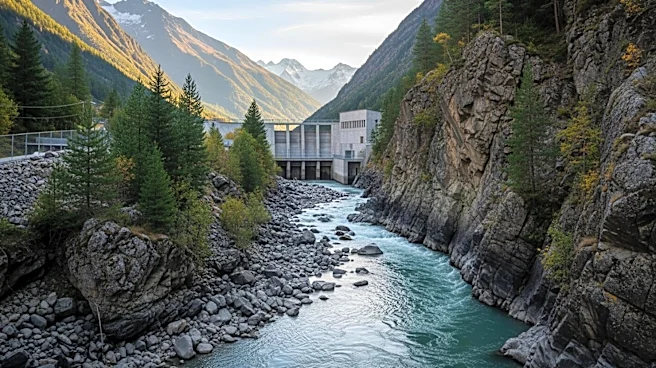
The U.S. Energy Information Administration's April Short-Term Energy Outlook (STEO) forecasts a 5% increase in U.S. hydropower generation in 2026, despite ongoing snow drought conditions in several states. This increase follows a rise in hydropower generation to
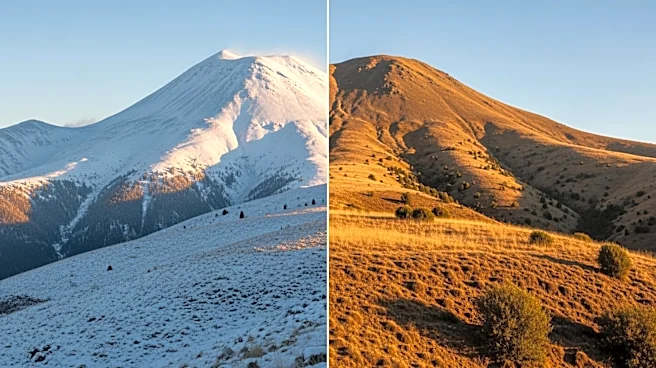
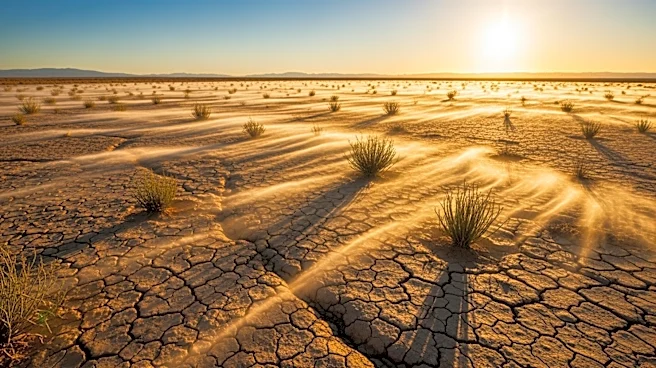
245 billion kilowatthours (BkWh) in 2025, up from a record low in 2024. The 2026 projection of 259 BkWh would account for 6% of U.S. electricity generation. Seasonal precipitation, including rain and snowpack, plays a crucial role in predicting water supply and hydropower output. However, record warm winter temperatures have led to snow droughts, particularly affecting California, the Southwest, and parts of the Northwest. These conditions are expected to impact water supply and hydropower generation in the spring and summer months.
Why It's Important?
Hydropower is a significant component of the U.S. energy mix, providing a renewable source of electricity that can help reduce reliance on fossil fuels. The anticipated increase in hydropower generation is crucial for meeting energy demands and supporting environmental goals. However, the snow drought conditions highlight vulnerabilities in the water supply that could affect energy production. The Northwest, home to the Columbia River Basin, holds over one-third of U.S. hydropower capacity, and changes in water availability there could influence the use of other energy sources like natural gas and affect electricity trade with neighboring regions. In California, despite reservoir levels being above historical averages, reduced snowpack could challenge future hydropower output.
What's Next?
The hydropower forecast is informed by the National Oceanic and Atmospheric Administration’s Northwest River Forecast Center, which will continue to monitor water supply conditions. Stakeholders in the energy sector may need to adjust strategies to accommodate potential fluctuations in hydropower availability. Policymakers and energy companies might explore alternative energy sources or invest in infrastructure to mitigate the impacts of snow droughts. Additionally, ongoing climate monitoring and adaptive management strategies will be essential to ensure a stable and sustainable energy supply.