



What's Happening?
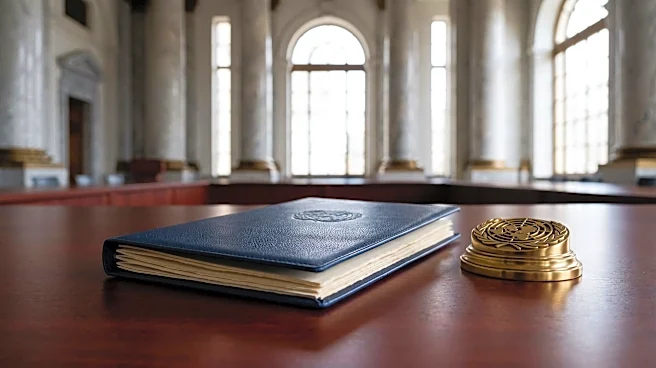
The Okoa Uchumi Campaign, a coalition of Kenyan civil society groups, is demanding the immediate public release of the International Monetary Fund (IMF) Governance and Anti-Corruption Diagnostic Report. The groups accuse the Kenyan government of withholding
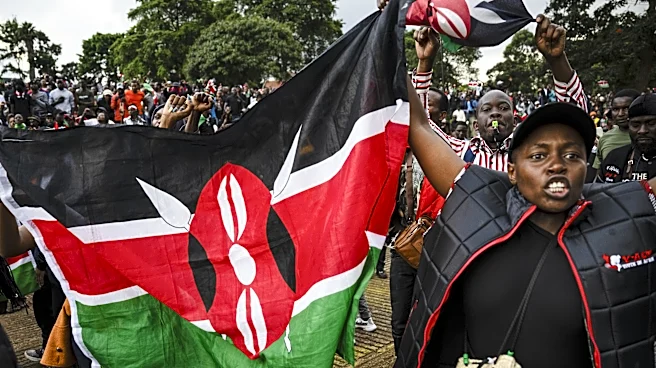
the final document, which was reportedly received in June 2026. In a press statement issued on Thursday, November 5, 2026, the campaign urged the government to make the report public, formally present it to Parliament, and outline a clear plan for implementing its recommendations. The report was commissioned in September 2024 following widespread Gen Z protests that highlighted concerns about corruption, accountability, and public resource management. The IMF initially submitted the report in December 2025, with the final version delivered after a review process. Despite an earlier indication from the Principal Secretary to the National Treasury, Dr. Chris Kiptoo, that the report would be made public, no timeline for its release has been provided. The issue was recently raised in Parliament by Hon. Geoffrey Wandeto, who sought answers regarding the report's status.
Why It's Important?
The demand for the IMF report's release is significant for several reasons. Firstly, it underscores a persistent call for transparency and accountability in Kenya's governance, particularly concerning the management of public resources. The civil society groups argue that the report's findings, which examine governance weaknesses, corruption vulnerabilities, and institutional failures, are of substantial public interest. Given that the assessment involved public consultations and was financed with public funds, the groups contend that the findings should not be treated as confidential government property. The campaign also links the report's release to the 2024 Gen Z demonstrations, asserting that making it public would demonstrate the government's commitment to addressing the concerns that fueled those protests. The withholding of such a report could erode public trust in government institutions and international financial bodies like the IMF, which advocate for good governance.
What's Next?
Parliament is expected to receive a response regarding the status of the IMF report within two weeks, following Hon. Geoffrey Wandeto's inquiry. However, the Executive has yet to commit to a specific release date. The Okoa Uchumi Campaign has called on Kenyans to amplify the demand through public participation and social media, emphasizing that access to the report is a matter of transparency, accountability, and the public's right to information. Should the government continue to withhold the report, it could face increased pressure from civil society, potentially leading to further public demonstrations or legal challenges. Conversely, releasing the report and outlining a clear implementation roadmap could help restore public confidence and signal a commitment to tackling corruption, a key demand from recent youth-led protests.
Beyond the Headlines
The controversy surrounding the IMF report highlights a broader struggle between government opacity and civil society's push for open governance. The Okoa Uchumi Campaign's insistence that the 2024 protests, which motivated the diagnostic, should not be 'rewarded with findings shrouded in secrecy' points to a deeper societal expectation for tangible outcomes from public dissent. This situation also raises questions about the role of international financial institutions like the IMF in promoting good governance; while they commission such reports, their effectiveness is limited if host governments do not act on or even disclose the findings. The ongoing demand for this report could set a precedent for future engagements between the Kenyan government, its citizens, and international bodies, emphasizing that assessments financed by public resources and involving public input must ultimately serve the public interest.