





What's Happening?
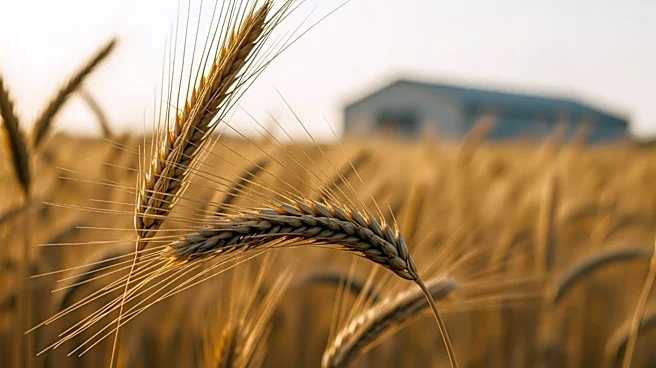
Algeria's state grain agency, OAIC, has reportedly purchased durum wheat at an international auction, according to European traders. The exact tonnage of the purchase remains uncertain, but estimates suggest several hundred thousand tonnes were acquired.
Algeria typically buys more than the nominal amount requested in tenders, which is usually over 50,000 metric tonnes. The purchase price for large panamax shipments was initially estimated at $327 per ton, cost and freight, with some prices reported above this level. Smaller handymax shipments were priced between $332.50 and $334 per ton, cost and freight. Shipping is scheduled for three periods: May 16-31, June 1-15, and June 16-30. Algeria does not disclose bid results, so these figures are based on traders' assessments.
Why It's Important?
The purchase of durum wheat by Algeria is significant for several reasons. Firstly, it highlights Algeria's ongoing demand for wheat imports to meet domestic needs, which can impact global wheat markets and prices. The uncertainty surrounding the exact tonnage and pricing reflects the complexities of international grain trade, where market dynamics and geopolitical factors can influence transactions. For U.S. wheat producers and exporters, Algeria's purchase may affect market competition and pricing strategies, as Algeria is a key player in the North African grain market. Additionally, the purchase underscores the importance of maintaining robust trade relations and understanding market trends in the agricultural sector.
What's Next?
As Algeria continues to import wheat, traders and market analysts will closely monitor subsequent purchases and pricing trends. The OAIC's decision not to disclose bid results means that traders will rely on assessments and estimates to gauge market conditions. Future tenders and purchases by Algeria could influence global wheat prices and trade dynamics, particularly in the North African region. U.S. wheat exporters may need to adapt their strategies to remain competitive in this evolving market. Additionally, geopolitical developments and economic conditions in Algeria could impact future trade decisions and agricultural policies.