




What's Happening?
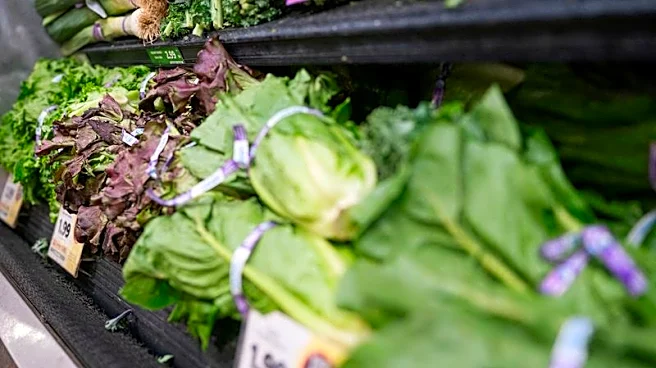
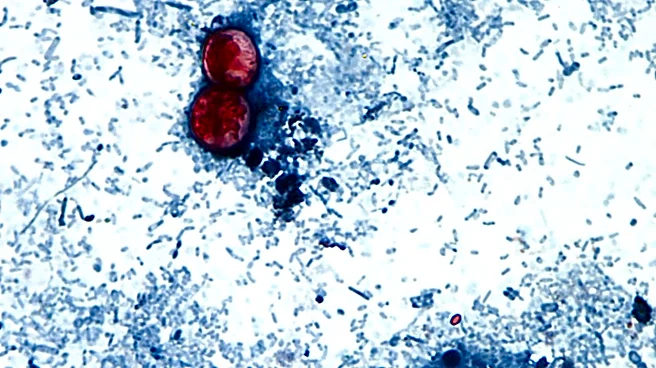
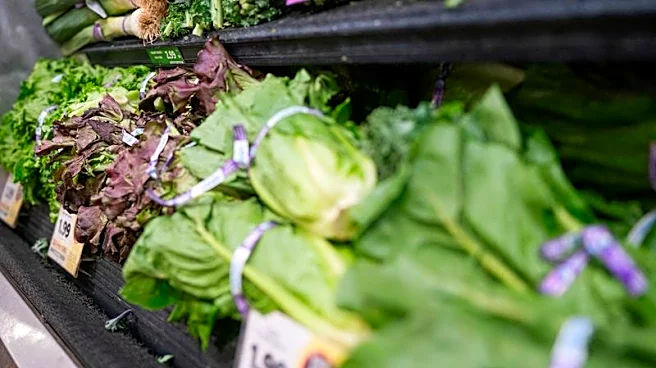
Cyclospora, a parasite causing cyclosporiasis, has been a recurring issue in produce, particularly from May to August. Despite no current outbreak in Utah, the state has reported 48 cases since May. The parasite thrives in warmer temperatures and can
contaminate produce through various means, including sewage leakage, contaminated water sources, and worker hygiene practices. Dr. Jose Brandao from Utah State University highlights the challenges in preventing contamination, noting that cyclospora is not removed by chlorine used in produce sanitation. Efforts to mitigate risks include updated food safety regulations and training programs for farmers.
Why It's Important?
The persistence of cyclospora in produce underscores significant challenges in food safety and public health. Contaminated produce can lead to widespread illness, impacting consumer confidence and the agricultural industry. The issue highlights the need for stringent safety measures and monitoring to prevent contamination. Farmers and food safety officials must collaborate to address potential contamination sources and improve practices. The economic implications are substantial, as outbreaks can lead to recalls, financial losses, and increased regulatory scrutiny.
What's Next?
Efforts to combat cyclospora contamination will likely focus on enhancing food safety protocols and infrastructure improvements. Farmers may need to invest in better water quality monitoring and worker training to prevent contamination. Regulatory bodies might increase inspections and enforce stricter compliance with safety standards. Continued research into effective sanitation methods and contamination prevention will be crucial. Public awareness campaigns could also play a role in educating consumers about safe produce handling practices.