






What's Happening?
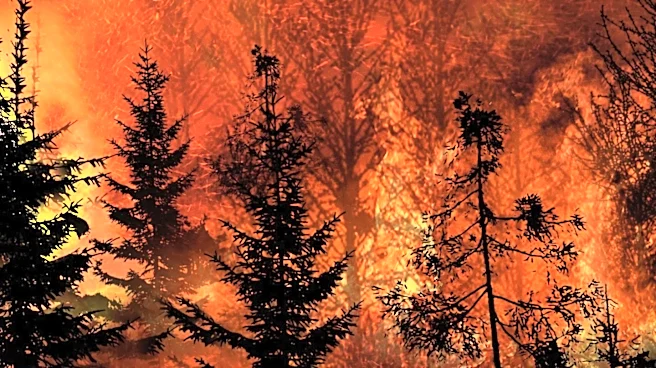
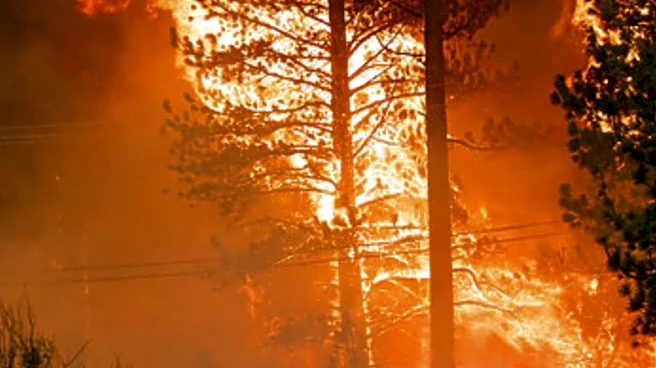
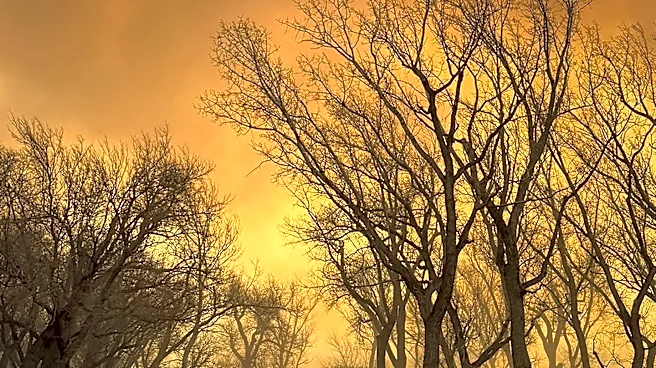
The National Interagency Fire Center reports that large wildfires are currently burning across several Western states, including Utah, Colorado, Nevada, Idaho, New Mexico, Arizona, Wyoming, and Montana. In response, campers and outdoor enthusiasts are being
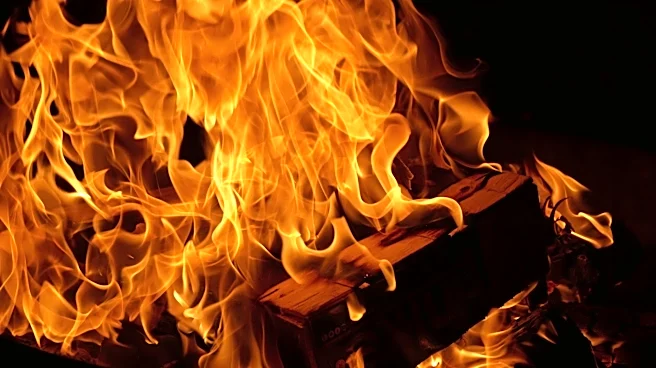
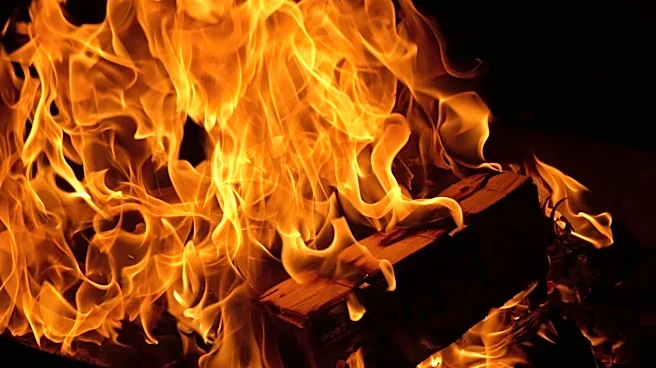
urged to take precautionary measures to prevent sparking new fires. Common mistakes such as leaving campfires unattended or not fully extinguishing them are highlighted as significant risks. Erin Collier, director of education with Leave No Trace, advises campers to thoroughly drown and stir campfires until they are cool to the touch. She also recommends using pre-existing fire rings to prevent soil sterilization and checking for fire watch warnings before heading out. Additionally, campers are advised to be cautious about where they park, as the heat from car engines can ignite dry grass.
Why It's Important?
The ongoing wildfires pose a significant threat to the environment, wildlife, and human settlements in the affected regions. With drought conditions exacerbating the risk of fire spread, it is crucial for individuals engaging in outdoor activities to adhere to safety guidelines to prevent further incidents. The economic impact of wildfires is substantial, affecting tourism, local businesses, and public resources. By taking preventive measures, campers can help mitigate the risk of new fires, thereby protecting natural habitats and reducing the strain on firefighting resources. The advice provided by organizations like Leave No Trace is vital in promoting responsible outdoor practices that can safeguard both the environment and public safety.
What's Next?
As the wildfire season progresses, it is expected that fire management agencies will continue to monitor and respond to active fires across the Western U.S. Campers and outdoor enthusiasts are encouraged to stay informed about fire conditions and adhere to local regulations and advisories. Fire prevention campaigns and educational initiatives may be intensified to raise awareness about the importance of responsible outdoor practices. Additionally, ongoing collaboration between state and federal agencies will be crucial in managing resources and coordinating firefighting efforts to protect communities and natural landscapes.