








What's Happening?
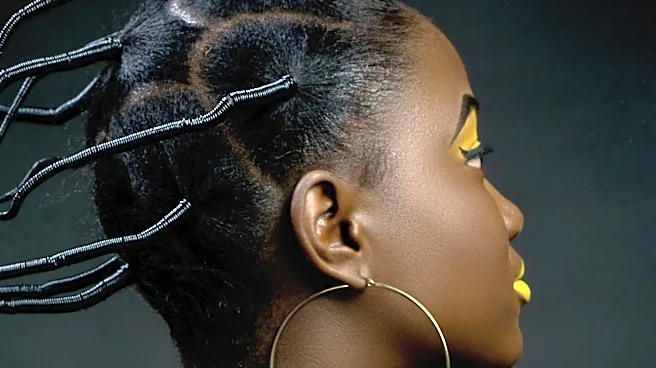
Paris has become a significant center for Black cultural exchange, drawing on its rich history of Afro-francophone communities. The city has long been a meeting place for diverse African and Caribbean cultures, which have significantly influenced its cultural landscape.
This development is not new but has gained more visibility and confidence in recent years. The French-speaking Black diaspora has contributed to making Paris a vibrant cultural hub, with influences seen in music, fashion, and language. The city's dense and walkable nature facilitates organic cultural exchanges, allowing distinct African identities to thrive. This cultural evolution is marked by a new generation that embraces both Black and French identities, challenging traditional cultural norms.
Why It's Important?
The rise of Black culture in Paris highlights the broader cultural dynamics within France and its impact on global perceptions. This shift signifies a move towards greater inclusivity and recognition of diverse cultural contributions. The increased visibility of Black culture challenges the traditional French cultural narrative, which has often been dominated by Eurocentric perspectives. This development has implications for cultural policy, media representation, and social integration in France. It also reflects a global trend where minority cultures are asserting their identities and gaining recognition. The cultural confidence seen in Paris could inspire similar movements in other cities, promoting a more diverse and inclusive cultural landscape worldwide.
What's Next?
As Black culture continues to gain prominence in Paris, there may be further developments in how cultural institutions and policymakers respond to this shift. The emergence of independent cultural structures, such as festivals and creative spaces, suggests a growing investment in building infrastructure that supports diverse cultural expressions. This could lead to increased opportunities for artists and creators from minority backgrounds. Additionally, the ongoing dialogue about cultural identity and representation may influence future cultural policies and initiatives in France. The potential for Paris to serve as a model for other cities in embracing cultural diversity could also be explored, fostering a more inclusive global cultural environment.
Beyond the Headlines
The cultural evolution in Paris raises important questions about identity, representation, and power dynamics within society. While Black culture is gaining visibility, there remains a gap between cultural influence and institutional recognition. This highlights the need for systemic changes to ensure that diverse cultural contributions are acknowledged and valued. The tension between cultural visibility and structural power underscores the challenges faced by minority communities in achieving true equality. The ongoing cultural renaissance in Paris may prompt broader discussions about the role of culture in shaping societal values and the importance of creating spaces where diverse voices can be heard and celebrated.