



What's Happening?
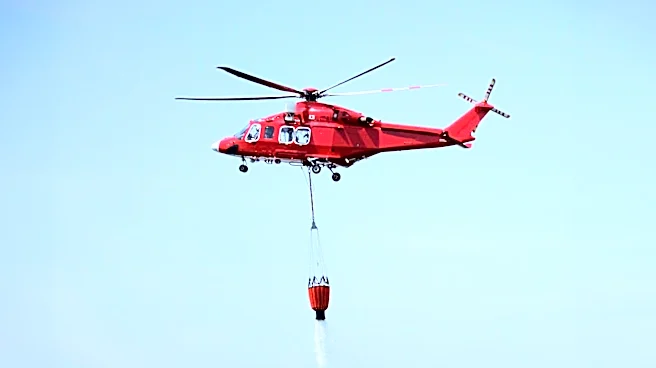
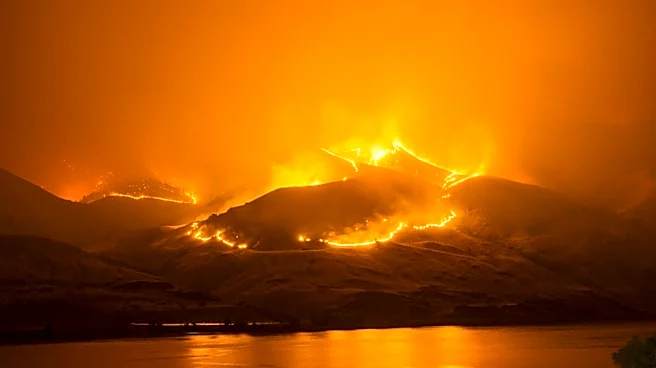
Nebraska Governor Jim Pillen has admitted that the state was not adequately prepared for the current wildfire season, which has been exacerbated by extreme drought conditions. During a visit to Gothenburg, Pillen was confronted by a local resident who
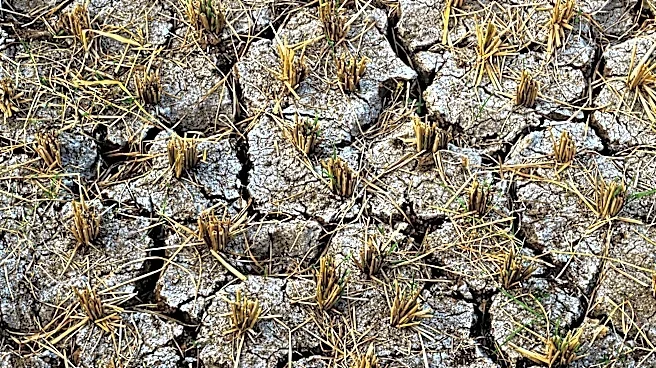
criticized the state's lack of proactive measures in anticipation of a dangerous fire year. The National Weather Service had previously warned that Nebraska was experiencing its third-warmest winter since the 1930s Dust Bowl era, contributing to the heightened fire risk. Pillen acknowledged the oversight, stating, 'We should have been more aggressive with the strategic plan. We blew it.' Despite some improvement in drought conditions, much of Nebraska remains in moderate drought, with the Panhandle experiencing extreme or exceptional drought.
Why It's Important?
The acknowledgment by Governor Pillen highlights the challenges faced by Nebraska in managing natural disasters, particularly wildfires. The state's lack of preparation could have significant implications for public safety, agriculture, and the local economy. Wildfires pose a threat to communities, infrastructure, and natural resources, and the state's response capabilities are crucial in mitigating these risks. The situation underscores the need for improved strategic planning and resource allocation to address the growing threat of wildfires, which are occurring outside traditional seasons due to changing climate patterns.
What's Next?
Governor Pillen's admission may prompt a reevaluation of Nebraska's wildfire preparedness strategies. Stakeholders, including state agencies, local governments, and community organizations, may push for more comprehensive planning and resource allocation to better anticipate and respond to future fire seasons. The state may also consider legislative measures to enhance its emergency response capabilities and invest in technologies and infrastructure that can aid in early detection and rapid response to wildfires.