






What's Happening?
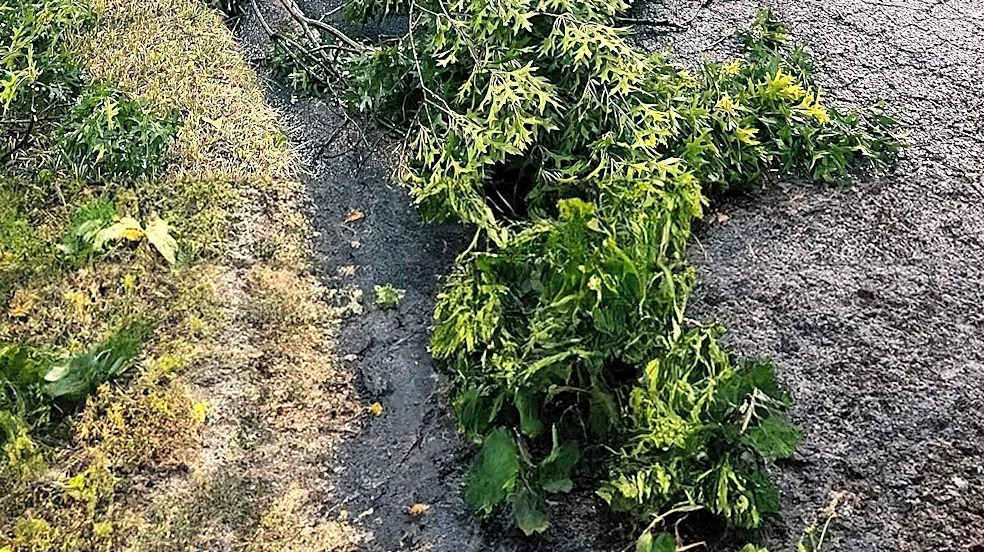
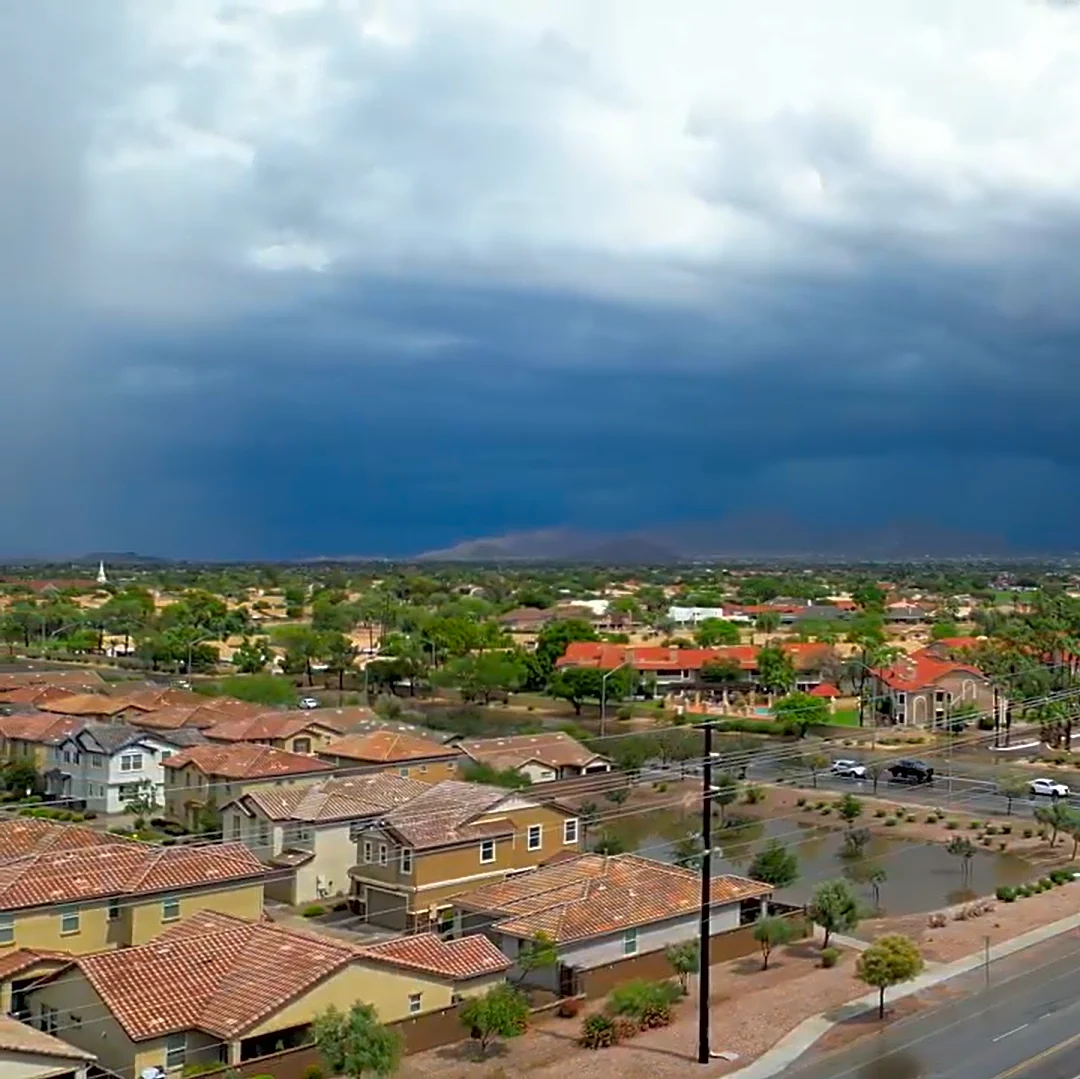
The University of Arizona's Facility Services is actively engaged in replacing approximately 35 trees on campus that were damaged or toppled during the recent monsoon season. The process involves a comprehensive approach, starting with assessing storm
damage, selecting appropriate replacement trees, identifying suitable planting locations, and providing ongoing care to ensure the young trees can withstand future storms. Luis Rocha, senior director of facilities management operations, noted that grounds staff are often the first to report damage, working with campus landscape architect Chris Stebe and a plant health care specialist to determine if trees can be saved or need replacement. While the university generally aims to replace damaged trees with the same species, they may opt for different varieties if the original did not thrive or if a more climate-appropriate option is available. The university, which also functions as an arboretum, sometimes faces challenges in replacing unique tree species. Sandra Obenour-Dowd, grounds superintendent, emphasizes selecting native species when possible, though historic areas may require non-native trees to maintain their character. The replacement process is complex, considering factors like underground utilities, electrical lines, and campus tunnel infrastructure, which can influence planting locations. Reliable irrigation is also crucial for the survival of newly planted trees.
Why It's Important?
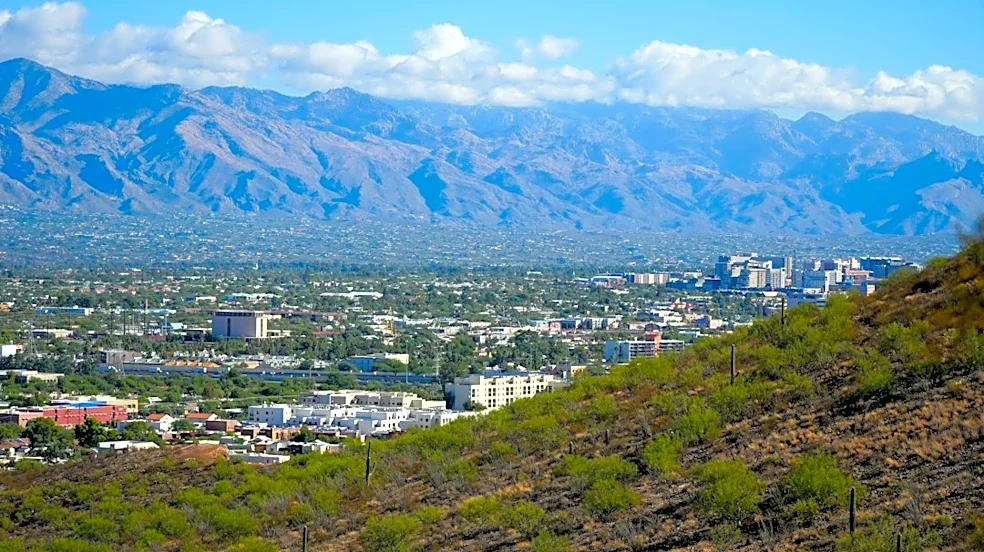
The effort to replace damaged trees at the University of Arizona is significant for several reasons, impacting the campus environment, sustainability, and the well-being of its community. Trees provide essential shade, which is particularly vital in Tucson's hot climate, contributing to a more comfortable and inviting campus for students, employees, and visitors. The loss of mature trees can drastically alter the aesthetic and ecological balance of the campus, making their thoughtful replacement crucial for preserving the university's distinctive character and green spaces. Furthermore, the university's commitment to selecting climate-appropriate and native species aligns with broader environmental sustainability goals, promoting biodiversity and resilience against future weather events. The meticulous process of assessing damage, selecting replacements, and providing long-term care highlights the importance of proactive environmental management in urban and institutional settings. This initiative also underscores the value placed on the campus landscape as an integral part of the educational and living environment, demonstrating a commitment to maintaining a high quality of life for its community members. The challenges faced in replacing large, mature trees, including insurance limitations and the time required for growth, illustrate the long-term investment and planning necessary for effective campus landscape management.
What's Next?
Following the planting of new trees, the University of Arizona's Facility Services will continue to provide years of dedicated care to ensure their establishment and growth. Sandra Obenour-Dowd's team will monitor irrigation and prune young trees to develop strong structures capable of better withstanding future storms. This ongoing maintenance is critical, as simply planting a tree is not sufficient for its long-term survival; consistent care is required over many years. Proper pruning techniques will be employed to balance branches and keep canopies somewhat open, allowing wind to pass through rather than exert excessive force, which can lead to storm damage. The team will also carefully manage the amount of growth removed, recognizing that leaves are essential for a tree's food production. This sustained effort reflects a commitment to not only replacing what was lost but also to fostering a resilient and thriving campus ecosystem. The work extends beyond mere replacement, aiming to enhance the campus environment for future generations of students and staff, ensuring the continued presence of shade, greenery, and the unique character of the University of Arizona.
Beyond the Headlines
The University of Arizona's response to monsoon-related tree damage extends beyond immediate repairs, touching upon deeper implications for urban planning, environmental resilience, and community well-being. The careful consideration of tree species, planting locations, and long-term maintenance reflects a growing understanding of the ecological services provided by urban forests, such as cooling, air purification, and habitat provision. This initiative highlights the ethical responsibility of institutions to manage their natural assets sustainably, especially in the face of changing climate patterns that may bring more frequent or intense weather events. The challenges of replacing mature trees, which can take decades to reach their full ecological and aesthetic value, underscore the importance of preventative measures and robust tree care programs. Furthermore, the university's role as an arboretum adds a cultural and educational dimension, as the campus landscape serves as a living laboratory and a source of inspiration. The dedication of the grounds team, as noted by Luis Rocha, speaks to the often-underappreciated human element in maintaining these vital green spaces, fostering a sense of pride and stewardship within the community. This ongoing effort contributes to a broader dialogue about how urban environments can adapt to climate change while preserving their natural beauty and functionality.