



What's Happening?
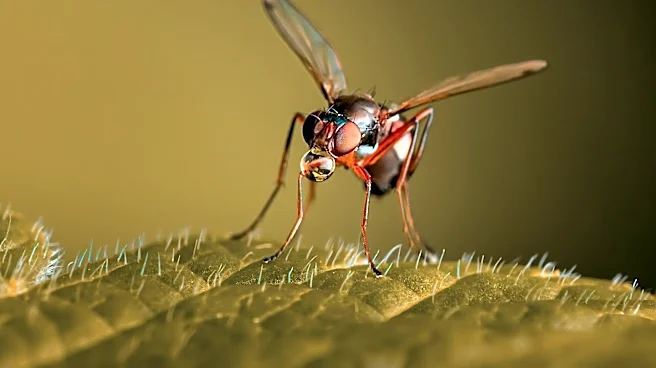
Vermont is enhancing its monitoring efforts for the New World screwworm, a parasitic fly that has led to disaster declarations in Texas and parts of the South. Although the screwworm has not yet reached Vermont, state officials are taking preventive measures
to ensure it does not spread to the region. The Vermont Agency of Agriculture has implemented a temporary policy that shortens the testing timeline for animals entering the state from infected areas to five days before travel. This policy aims to prevent the screwworm from becoming a problem in Vermont, where it could spread rapidly if not contained.
Why It's Important?
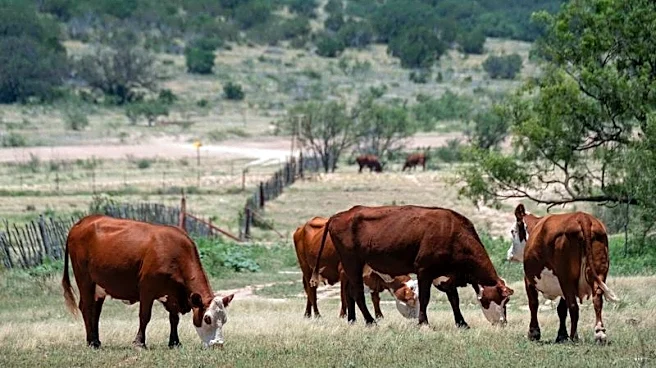
The proactive measures taken by Vermont highlight the importance of early detection and prevention in managing potential agricultural and ecological threats. The screwworm poses a significant risk to livestock and domestic animals, which could have severe economic and environmental consequences if it spreads. By tightening regulations on animal imports from affected areas, Vermont aims to protect its agricultural industry and prevent potential outbreaks. This situation underscores the interconnectedness of regional ecosystems and the need for coordinated efforts to address biosecurity threats.
What's Next?
Vermont will continue to monitor the situation closely, adjusting policies as necessary to prevent the screwworm from entering the state. The recent legislation requiring shelters and rescues to register with the Vermont Division of Animal Welfare will aid in tracking animal movements and ensuring compliance with new regulations. Ongoing collaboration between state agencies, animal welfare organizations, and the agricultural community will be crucial in maintaining vigilance and preventing the spread of the screwworm.