



What's Happening?
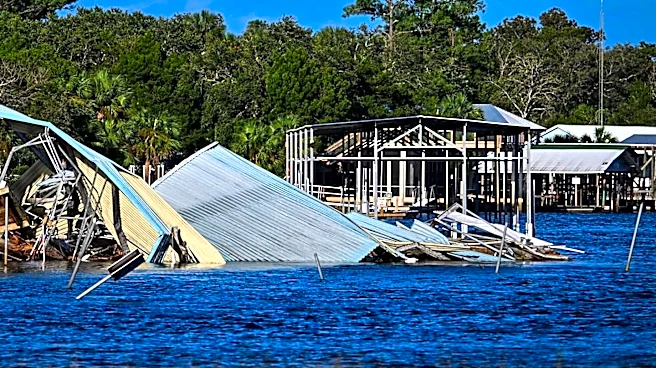
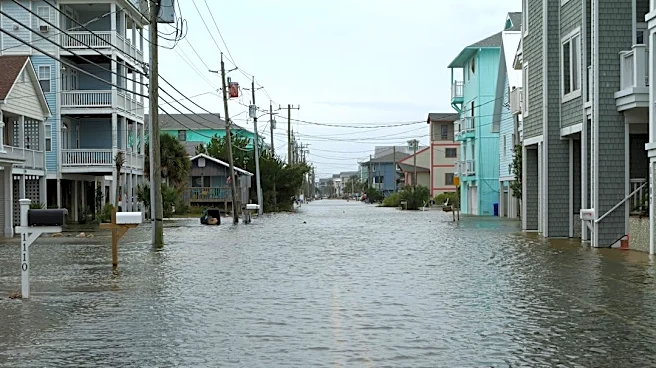
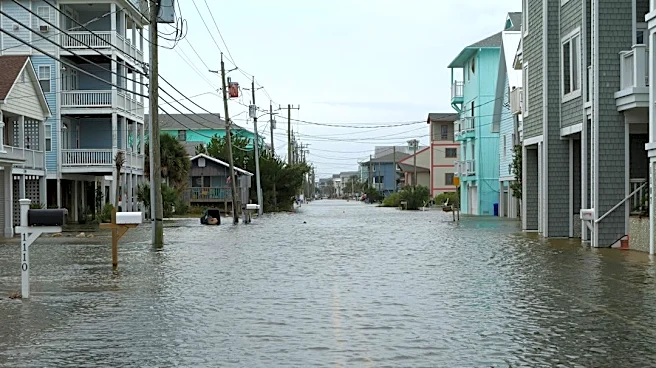
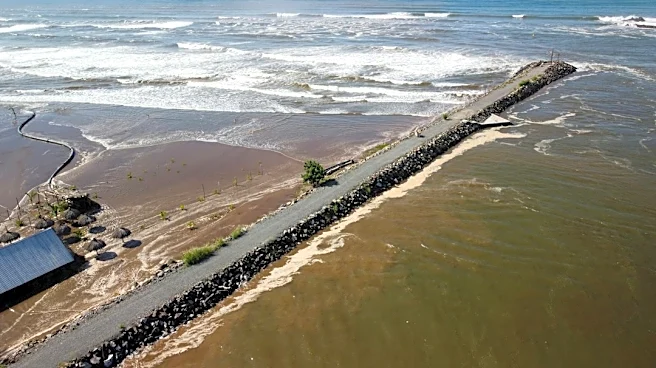
King tides have inundated parts of both the U.S. Atlantic and Pacific coasts, leading to significant flooding in streets, homes, and businesses in coastal communities across California, Florida, and the Carolinas. These unusually high tides, which began
with the full moon earlier this week, are expected to cause flooding in some areas through the weekend. Forecasters attribute the severity of these king tides to additional factors beyond the gravitational pull of the Earth, moon, and sun. In Florida, strong high pressure to the north and low pressure over the Caribbean are causing increased swells. Along the California coast, the ongoing super El Niño has warmed the ocean, increasing the volume of seawater, and Kelvin waves, which are pulses of warm water, are further elevating sea levels. This combination has resulted in water levels higher than typically expected for this time of year.
Why It's Important?
The widespread coastal flooding has significant implications for U.S. coastal communities, impacting daily life, property, and local economies. Businesses and homes in affected areas face direct damage from saltwater intrusion, leading to costly repairs and potential long-term structural issues. The disruption to transportation, with road closures and stranded vehicles, affects commerce and emergency services. The event also highlights the increasing vulnerability of coastal infrastructure to rising sea levels and extreme tidal events, posing a challenge for urban planning and coastal management. The recurrence of such events, exacerbated by climate patterns like El Niño, suggests a growing need for adaptation strategies and investment in resilient infrastructure to protect coastal populations and assets.
What's Next?
Forecasters anticipate continued flooding in some areas through the weekend due to the king tides. The National Weather Service has extended its coastal flood advisory for Marin County, California, through October 31, warning of further inundation in low-lying areas. This week's events are seen as a potential preview of what could occur during the winter, with some of the year's biggest tides expected around Thanksgiving, Christmas, and late January. If powerful storms coincide with these high tides, California could experience record coastal water levels. This outlook necessitates ongoing monitoring and preparedness efforts by coastal communities and emergency management agencies to mitigate future impacts and protect residents and property.
Beyond the Headlines
The king tides underscore the complex interplay between astronomical phenomena and climate-driven factors in exacerbating coastal hazards. The sight of kayakers on flooded bike paths in California and the challenges faced by commuters in Florida illustrate the direct and often surreal impact of these events on everyday life. Beyond the immediate damage, these occurrences raise long-term questions about coastal development, insurance policies, and the sustainability of living in low-lying coastal zones. The increasing frequency and intensity of such events could lead to shifts in population distribution, property values, and the economic viability of certain coastal industries, prompting a reevaluation of human interaction with dynamic coastal environments.