







What's Happening?
Governor Spencer Cox of Utah has issued an executive order to establish stricter regulations for data center developments in the state, following public backlash against a large-scale project backed by 'Shark Tank' investor Kevin O'Leary. The executive order introduces
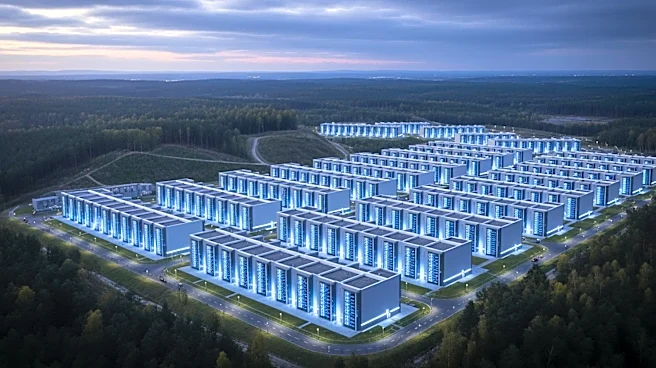
a framework with eight principles aimed at protecting water resources, air quality, utility rates, wildlife, and the quality of life for Utah residents. This move comes in response to significant opposition from the community, particularly in Box Elder County, where the Stratos Project, a hyperscale data center spanning 40,000 acres, has been approved despite local protests. The project, also known as 'Wonder Valley,' could potentially reach 9 gigawatts of power. The framework emphasizes human-led AI development and ensures public participation in the decision-making process.
Why It's Important?
The executive order by Governor Cox is significant as it addresses the growing concerns of Utah residents regarding the environmental and social impacts of large-scale data centers. By setting a higher bar for such developments, the state aims to balance economic growth with environmental sustainability and community welfare. The decision reflects a broader trend of increased scrutiny on tech infrastructure projects, particularly those involving AI, due to their potential impact on local ecosystems and resources. The outcome of this regulatory framework could influence future data center projects across the U.S., setting a precedent for how states manage the intersection of technological advancement and environmental stewardship.
What's Next?
The implementation of the new framework will require state agencies to adopt the outlined principles immediately. Developers of the Stratos Project will need to follow a phased approach, applying for new permits for each stage of development. This could lead to further negotiations and adjustments to the project plans to meet the new regulatory standards. Stakeholders, including local residents, environmental groups, and business leaders, are likely to continue their engagement in the process, potentially influencing future policy decisions. The situation may also prompt other states to reevaluate their own regulations concerning data center developments.