







What's Happening?
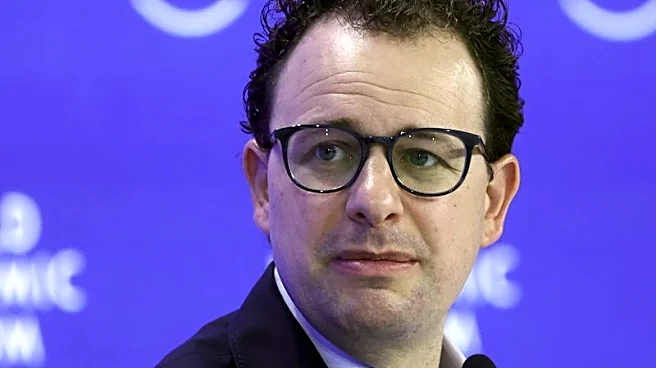
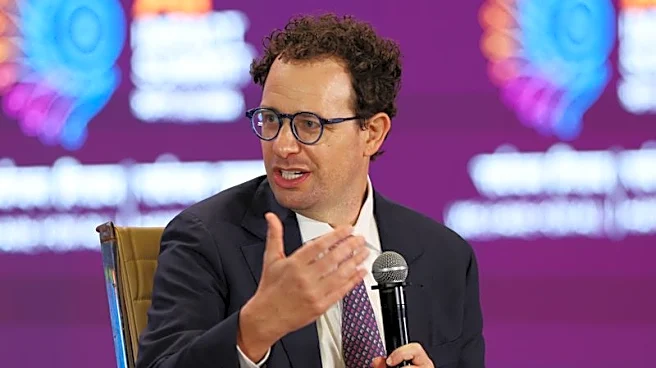
Canadian computer scientist Yoshua Bengio has expressed concerns over the restricted release of Anthropic's AI model, Claude Mythos. Bengio, a prominent figure in AI development, argues that the limited access to Mythos centralizes decision-making power
within a single private company, potentially excluding many global entities from essential cybersecurity protections. Mythos, capable of identifying numerous unknown vulnerabilities, is currently shared with a select group of U.S.-based companies and government entities. Anthropic justifies this controlled release by highlighting the model's dual-use nature, which could be exploited for cyberattacks. The situation has sparked a debate on governance and fairness, with several international institutions seeking access to the model to secure their systems. Bengio advocates for an international regulatory body to oversee the use of advanced AI technologies, emphasizing the need for global cooperation in AI governance.
Why It's Important?
The restricted release of Mythos raises significant concerns about cybersecurity and international equity. By limiting access to a powerful AI model, Anthropic potentially leaves many global systems vulnerable to cyber threats. This situation underscores the need for international collaboration in AI governance to ensure equitable access to critical technologies. The debate also highlights the geopolitical implications of AI advancements, as countries strive to reduce dependence on foreign technology providers. Bengio's call for an international regulatory body reflects a growing recognition of AI's global impact and the necessity for coordinated oversight to prevent misuse and ensure security across borders.
What's Next?
The ongoing debate may lead to increased pressure on Anthropic to broaden access to Mythos or similar AI models. International organizations and governments might push for the establishment of a global regulatory framework to oversee AI technologies, ensuring fair access and preventing monopolization by a few entities. The U.S. government is already preparing to integrate Mythos into federal departments, which could influence other countries to seek similar arrangements. As discussions continue, the focus will likely remain on balancing innovation with security and fairness in the global AI landscape.
Beyond the Headlines
The situation with Mythos highlights broader ethical and legal challenges in AI development. The concentration of power in a single company raises questions about accountability and transparency in AI deployment. Additionally, the potential for AI models to be used in cyberattacks underscores the need for robust ethical guidelines and international cooperation to mitigate risks. The debate also reflects a shift towards AI sovereignty, where countries aim to develop independent AI capabilities to safeguard national interests. This trend could reshape global technology dynamics, influencing future AI policies and collaborations.