








What's Happening?
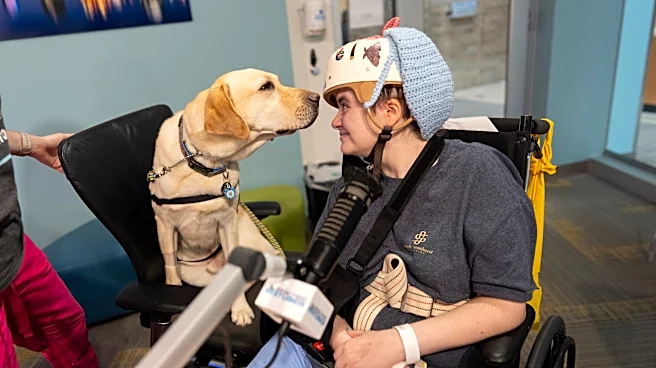
Children's hospitals across the United States are increasingly incorporating full-time emotional support dogs into their care teams to help young patients cope with the stress and anxiety of medical treatments. These specially trained facility dogs, such
as Hadley at Cincinnati Children’s Hospital, provide comfort and motivation to children undergoing difficult procedures. Unlike volunteer therapy dogs, these dogs are full-time staff members, living and working with their handlers. Research indicates that interactions with these dogs can significantly improve children's well-being, reduce pain, and lower stress indicators like cortisol levels and blood pressure. The trend is growing, with more hospitals adopting these programs, supported by organizations like Canine Assistants and Canine Companions, which provide the dogs and training.
Why It's Important?
The integration of full-time emotional support dogs in children's hospitals represents a significant advancement in pediatric care. These programs offer a non-pharmacological method to alleviate stress and anxiety in young patients, potentially improving their overall hospital experience and outcomes. The presence of these dogs can make hospitals feel less intimidating, providing a sense of normalcy and comfort. This approach not only benefits the children but also supports their families, offering emotional relief during challenging times. As these programs expand, they could set a new standard for holistic care in pediatric settings, emphasizing the importance of emotional and psychological support alongside medical treatment.
What's Next?
As the popularity of facility dog programs grows, more children's hospitals are likely to adopt similar initiatives. This expansion may lead to increased collaboration between hospitals and nonprofit organizations that provide and train these dogs. Additionally, further research could be conducted to quantify the benefits and optimize the integration of these programs into pediatric care. Hospitals may also explore innovative ways to fund these programs, ensuring sustainability and accessibility for more patients. The success of these programs could inspire similar approaches in other healthcare settings, broadening the scope of animal-assisted therapies.