



What's Happening?
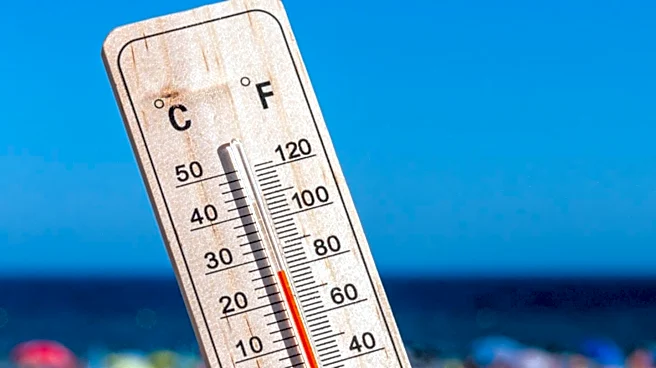
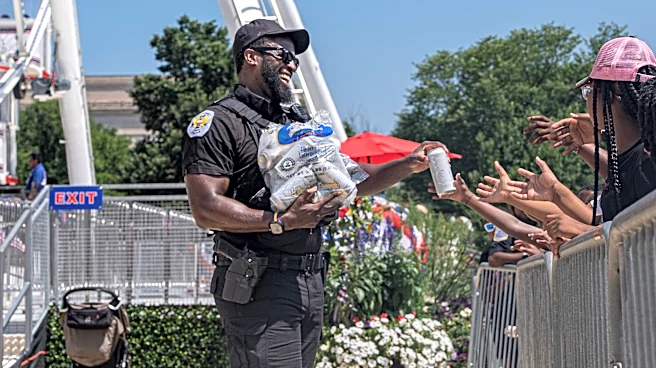
As the United States prepares to celebrate its 250th Independence Day, a severe heat wave is impacting planned festivities across the country. The heat wave stretches from Texas to the East Coast, with some communities already canceling or reducing their
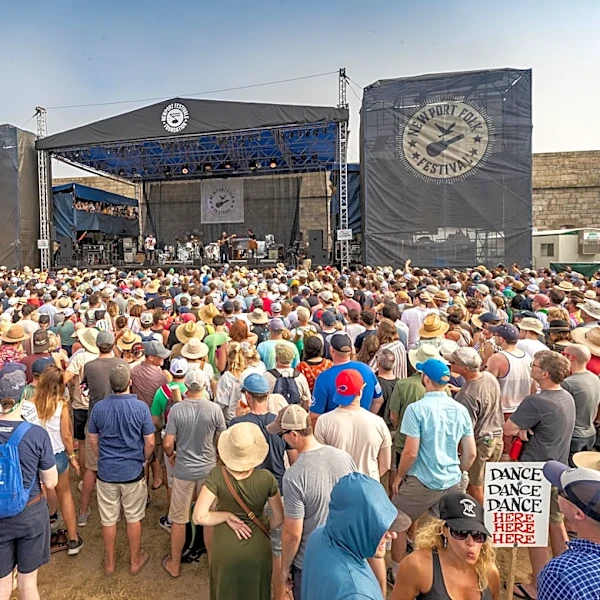
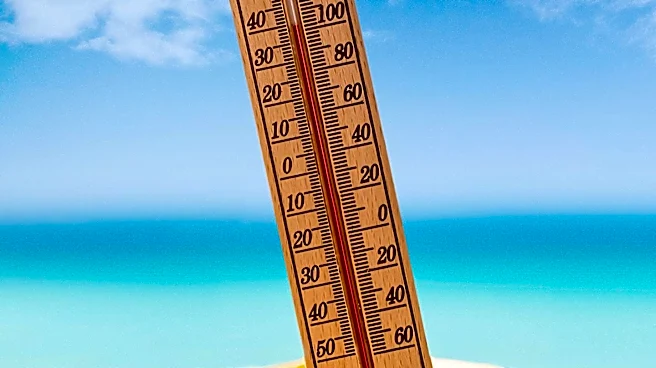
events. In Philadelphia, the annual Fourth of July parade route has been shortened. In Washington, D.C., where President Trump has emphasized the anniversary, the Capitol Police are assessing whether the public can attend the Capitol Fourth concert and fireworks due to forecasted temperatures reaching 102 degrees with a heat index of 113. The heat wave poses a significant challenge to public safety and event planning.
Why It's Important?
The extreme heat conditions highlight the growing challenges posed by climate-related weather patterns, affecting public health and safety during large gatherings. The potential cancellation or modification of major events underscores the need for adaptive strategies in event planning and public safety measures. The situation also raises awareness about the broader implications of climate change on traditional celebrations and public gatherings. The heat wave's impact on Independence Day events could influence future policy discussions on climate resilience and emergency preparedness.
What's Next?
Authorities will continue to monitor weather conditions and make decisions regarding public events based on safety considerations. The situation may prompt discussions among policymakers and event organizers about long-term strategies to mitigate the impact of extreme weather on public events. Public health advisories and safety measures will likely be emphasized to protect attendees from heat-related illnesses.