






What's Happening?
New York City health officials are actively investigating a cluster of Legionnaires' disease cases on the Upper East Side. The source of the outbreak remains unidentified, prompting ongoing efforts to trace its origin. Legionnaires' disease is a severe
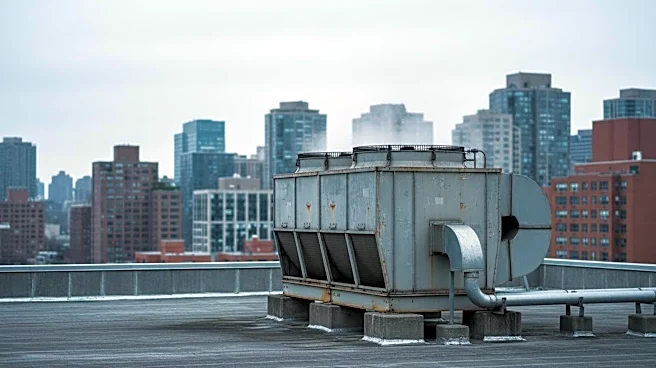
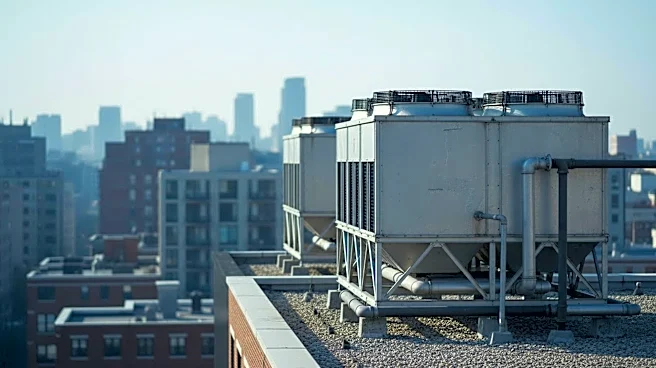
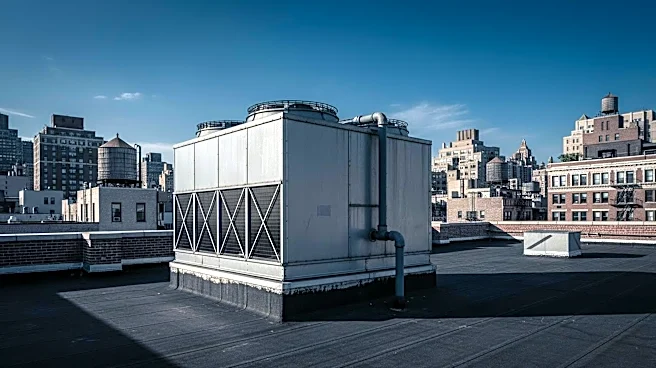
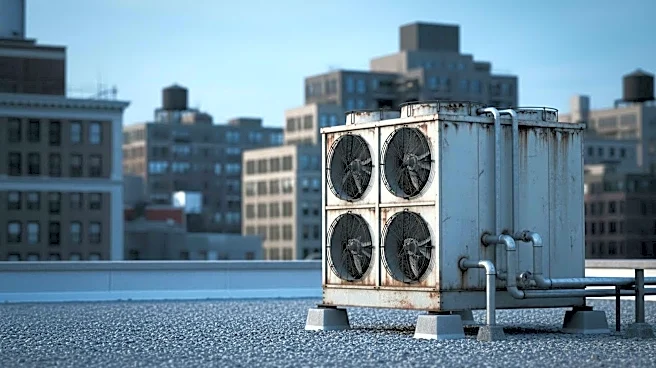
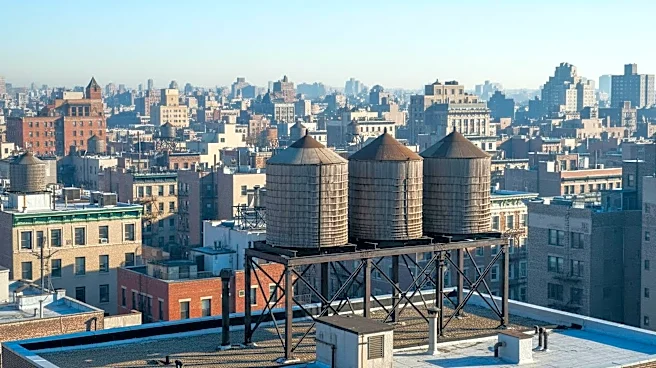
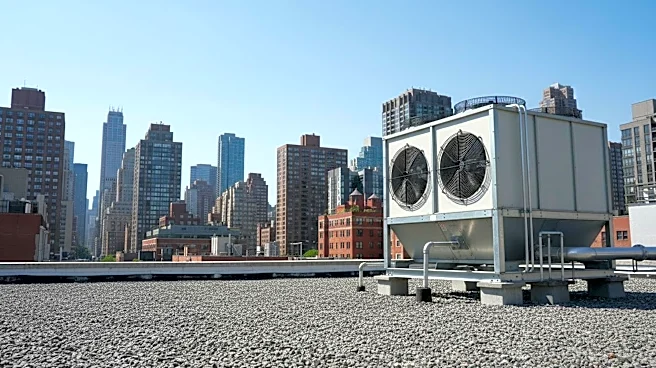
form of pneumonia caused by the Legionella bacteria, often found in water systems. The city's health department is conducting tests and inspections of local water systems to pinpoint the contamination source. This investigation is crucial to prevent further spread and ensure public safety.
Why It's Important?
The investigation into the Legionnaires' disease cluster is significant due to the potential health risks associated with the disease. Legionnaires' disease can be fatal, particularly for older adults, smokers, and individuals with weakened immune systems. Identifying and mitigating the source of the outbreak is essential to protect public health and prevent additional cases. The situation underscores the importance of maintaining safe water systems and the need for rapid response to public health threats. The outcome of this investigation could influence future public health policies and water safety regulations in urban areas.
What's Next?
Health officials will continue to test and monitor water systems in the affected area to identify the source of the Legionella bacteria. Public health advisories may be issued to inform residents of potential risks and preventive measures. If the source is identified, remediation efforts will be implemented to eliminate the bacteria and prevent further cases. The situation will likely prompt discussions on improving water safety standards and emergency response protocols to address similar outbreaks in the future.