

What's Happening?
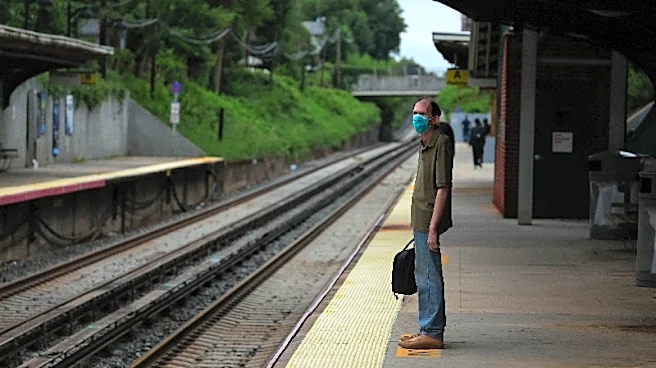
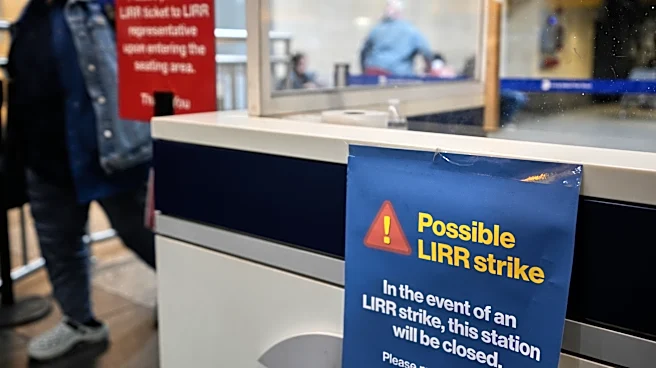
Long Island Rail Road (LIRR) workers commenced a strike, bringing train services to a standstill. The strike is a result of unresolved negotiations between the Metropolitan Transportation Authority (MTA) and the unions representing the workers. The lack
of a deal has led to significant disruptions in transportation, affecting commuters who rely on the LIRR for daily travel. The strike highlights ongoing labor disputes and the challenges in reaching agreements that satisfy both the workers' demands and the operational needs of the MTA.
Why It's Important?
The strike has significant implications for the New York metropolitan area's transportation infrastructure, affecting thousands of commuters and potentially impacting the local economy. Prolonged disruptions could lead to increased traffic congestion and strain on alternative transportation modes. The situation underscores the importance of effective labor negotiations and the need for sustainable solutions that address workers' rights while ensuring reliable public services. The outcome of this strike could set a precedent for future labor relations within the transportation sector.
What's Next?
Negotiations between the MTA and the unions are expected to continue as both parties seek a resolution to end the strike. The pressure to reach an agreement will likely increase as the impact on commuters and the economy becomes more pronounced. Stakeholders, including government officials and community leaders, may become involved to facilitate a resolution. The strike's duration and the terms of any eventual agreement will be closely watched as indicators of labor relations trends in the region.