




What's Happening?
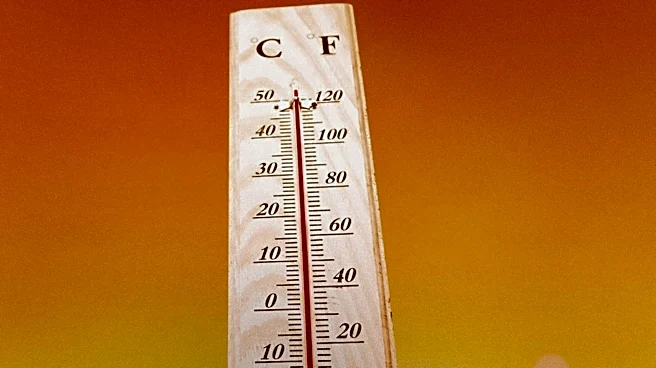
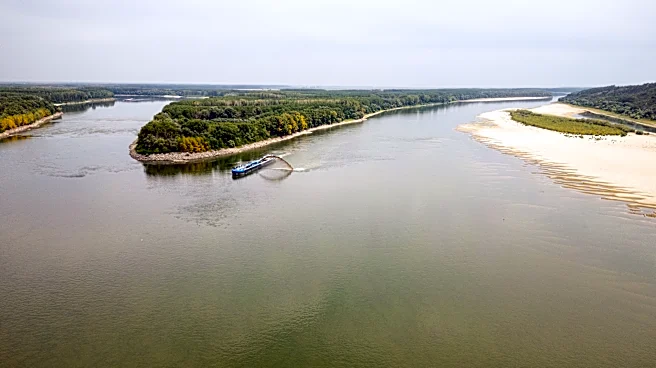
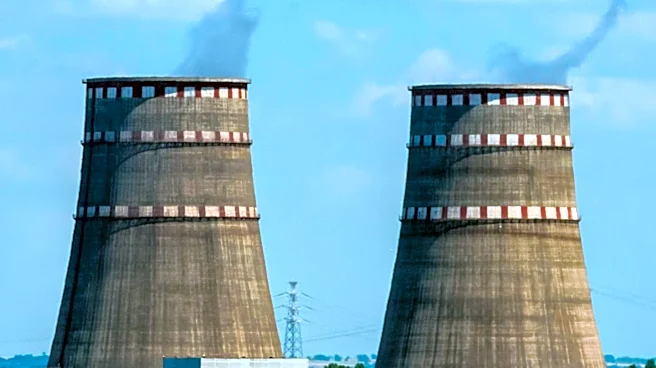
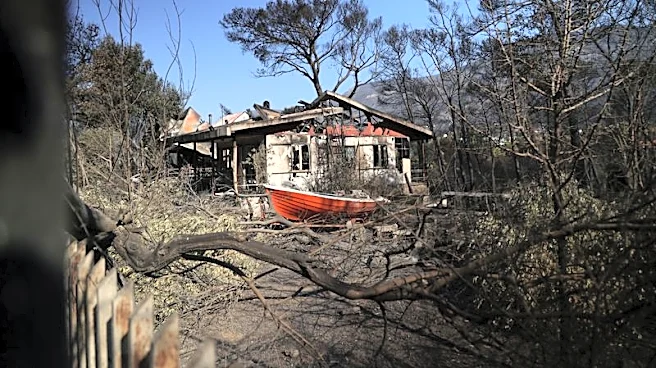
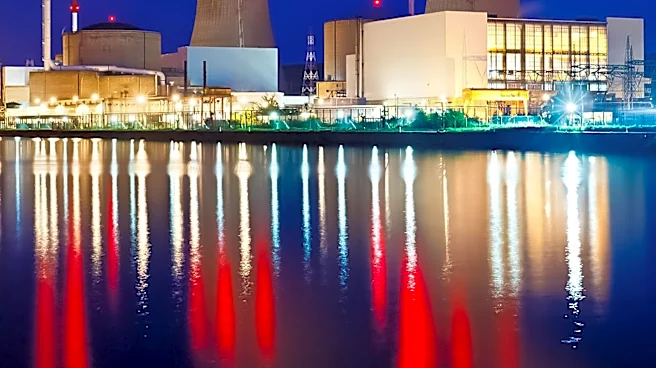
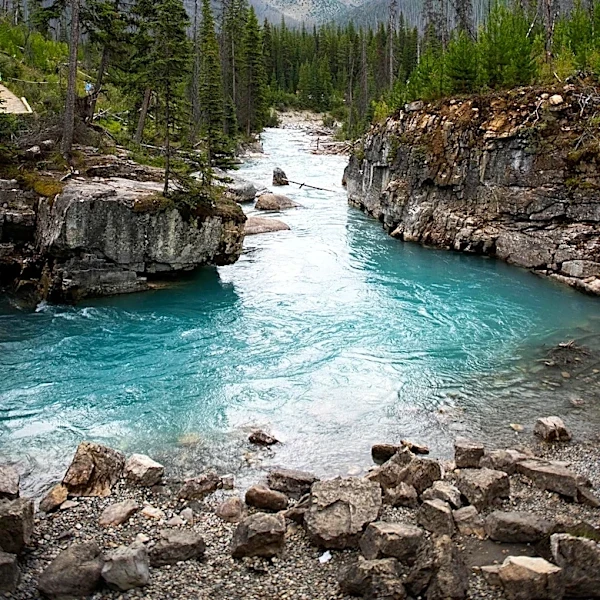
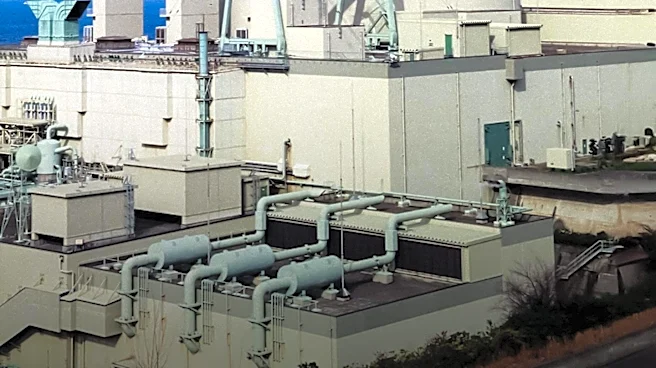
Europe is experiencing severe drought and heatwaves, which have significantly impacted the power grid, particularly affecting nuclear power plants. In Hungary, the Paks nuclear power plant has had to shut down most of its turbines due to low water levels
in the Danube River, which is essential for cooling. This situation has led to increased power demand as temperatures rise, causing energy prices to spike and raising concerns about potential blackouts.
Why It's Important?
The current climate conditions highlight the vulnerabilities of Europe's energy infrastructure, particularly the reliance on water for cooling nuclear reactors. The situation underscores the need for diversified energy sources and improved grid resilience to cope with extreme weather events. The economic impact is also significant, with rising energy costs affecting both consumers and industries across the continent.
What's Next?
As Europe continues to face climate challenges, there is a growing need for investment in renewable energy sources and energy storage solutions to ensure a stable power supply. Policymakers may need to consider long-term strategies to enhance grid resilience and reduce dependency on water-intensive energy sources. The situation also calls for international cooperation to address the broader implications of climate change on energy security.