






What's Happening?
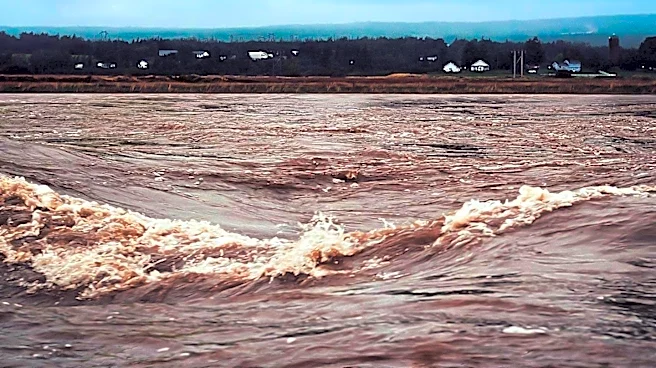
A recent analysis highlights the growing threat of compound flooding along the U.S. Gulf and Atlantic coasts due to climate change. The study emphasizes that traditional risk assessments often overlook the combined impact of storm surges and river runoff,
which can lead to significant flooding. Historical events like Hurricane Harvey in 2017 demonstrated the potential for catastrophic flooding when these factors converge. The study projects that by 2050, with moderate sea level rise and increased rainfall, the area affected by compound flooding could expand significantly, impacting more structures and causing billions in additional damages. The research underscores the need for updated risk assessments that consider the multifaceted nature of climate-induced flooding.
Why It's Important?
The findings underscore the urgent need for coastal communities to reassess their flood risk management strategies. As climate change intensifies, the frequency and severity of compound flooding events are expected to rise, posing significant challenges to infrastructure, housing, and economic stability in coastal regions. The potential for increased flooding could lead to higher insurance costs, reduced property values, and even force relocations. Policymakers and urban planners must prioritize adaptive measures to mitigate these risks, ensuring the safety and resilience of coastal populations.
What's Next?
Communities along the U.S. coasts may need to invest in infrastructure improvements, such as enhanced drainage systems and flood barriers, to cope with the anticipated increase in flooding events. Additionally, there may be a push for stricter building codes and land-use planning to prevent development in high-risk areas. As the threat of climate-induced flooding grows, collaboration between federal, state, and local governments will be crucial in developing comprehensive strategies to protect vulnerable regions.
Beyond the Headlines
The increasing risk of compound flooding highlights broader issues related to climate change adaptation and resilience. As sea levels rise and weather patterns become more unpredictable, there is a growing need for innovative solutions and technologies to address these challenges. The situation also raises ethical questions about environmental justice, as economically disadvantaged communities are often the most affected by climate-related disasters. Ensuring equitable access to resources and support will be essential in addressing the impacts of climate change on vulnerable populations.