



What's Happening?
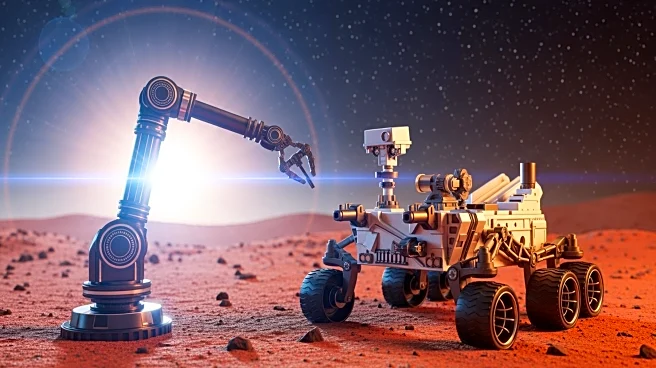
NASA is advancing its efforts to prepare for human exploration of Mars by developing robotic systems designed to mitigate the challenges posed by space weather. During the American Geophysical Union (AGU) meeting in Louisiana, scientists revealed that
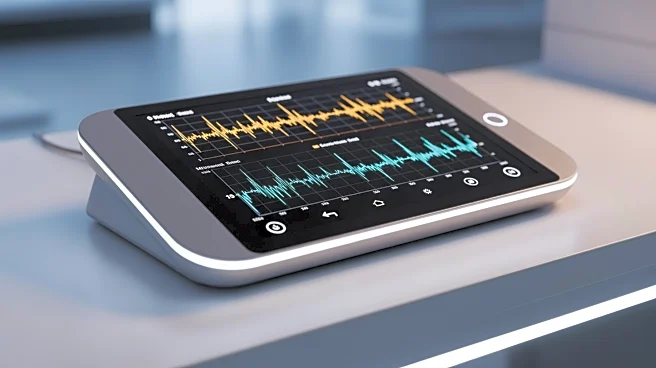
these systems will play a crucial role in ensuring the safety and success of future Mars missions. A significant development is the extension of a decision-support dashboard by NASA’s Goddard Space Flight Center, led by heliophysicist Gina DiBraccio. This dashboard integrates data from various Mars missions, including the MAVEN orbiter and the Curiosity and Perseverance rovers, to provide real-time space weather updates. This tool aims to help astronauts on Mars anticipate solar flares and other space weather events, allowing them to take necessary protective measures. Additionally, Shannon Curry from the University of Colorado Boulder presented a comprehensive dataset from the MAVEN mission, covering a full solar cycle from 2014 to 2025, which will aid in understanding cosmic radiation on Mars.
Why It's Important?
The development of these robotic systems and tools is critical for the viability of long-duration human missions to Mars. Space weather, particularly solar radiation, poses significant risks to astronauts and equipment. By providing real-time data and predictive models, NASA aims to enhance the safety and operational efficiency of Mars missions. This initiative is part of a broader strategy to integrate human and robotic exploration, ensuring that both work in tandem to achieve scientific and exploratory goals. The success of these systems could pave the way for more sustainable and safer human presence on Mars, aligning with NASA's long-term objectives under the Artemis program. The ability to monitor and respond to space weather conditions is becoming a prerequisite for survival on Mars, highlighting the importance of these technological advancements.
What's Next?
As NASA continues to refine these systems, the focus will likely shift towards testing and implementing them in upcoming Mars missions. The integration of these tools into the Artemis program suggests that they will be crucial for future lunar and Martian explorations. Stakeholders, including mission planners and astronauts, will need to adapt to using these technologies to ensure mission success. The ongoing collaboration between robotic and human exploration will be essential in overcoming the challenges of space weather and radiation, ultimately contributing to the broader goal of establishing a human presence on Mars.
Beyond the Headlines
The integration of robotic systems in space exploration represents a philosophical shift towards a collaborative approach between humans and machines. This strategy not only enhances safety and efficiency but also allows for more comprehensive scientific research. The data collected by robotic missions can inform human activities, reducing risks and optimizing resource use. This approach could redefine how space agencies plan and execute missions, emphasizing the importance of technology in expanding human capabilities beyond Earth.