


What's Happening?
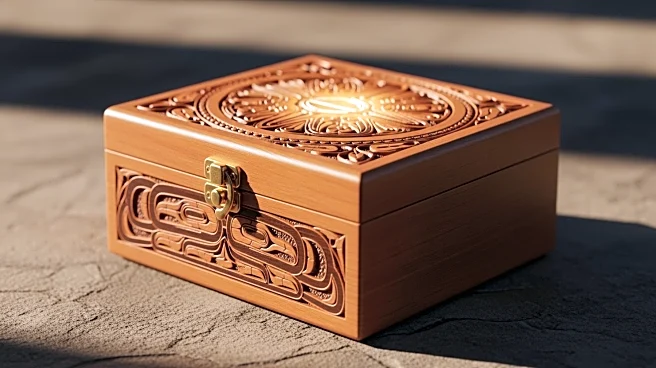
The Vatican has returned over 60 sacred Indigenous artifacts to Canada, marking the end of a long-standing campaign by Indigenous leaders. These artifacts, including a rare Inuit sealskin kayak, were originally taken from First Nations, Inuit, and Métis
communities over a century ago and have been held in the Vatican's museums. The return was facilitated by Pope Leo, following a pledge by his predecessor, Pope Francis, who had apologized for the historical abuses committed at Canada's church-run residential schools. The artifacts were initially brought to Rome for the 1925 Vatican Mission Exposition. The repatriation is part of a broader movement by museums worldwide to return items acquired unethically during colonial times.
Why It's Important?
The return of these artifacts is a significant step in the reconciliation process between the Catholic Church and Indigenous communities in Canada. It acknowledges the historical injustices faced by Indigenous peoples and the erasure of their cultural identities. The repatriation is seen as a positive move towards healing and rebuilding trust. It also highlights the growing global trend of returning cultural artifacts to their rightful owners, which could influence other institutions holding similar collections. For Indigenous communities, these artifacts are not just historical items but are considered cultural ancestors, vital for the continuity and revitalization of their cultural practices.
What's Next?
The artifacts will be examined at the Canadian Museum of History before being returned to Indigenous communities. Indigenous leaders will work to find appropriate homes for these items, ensuring they are preserved and accessible for cultural education and revitalization. This event may prompt further discussions and actions regarding the return of other cultural artifacts held by institutions worldwide. It also sets a precedent for how religious and cultural institutions can engage in meaningful reconciliation efforts.