






What's Happening?
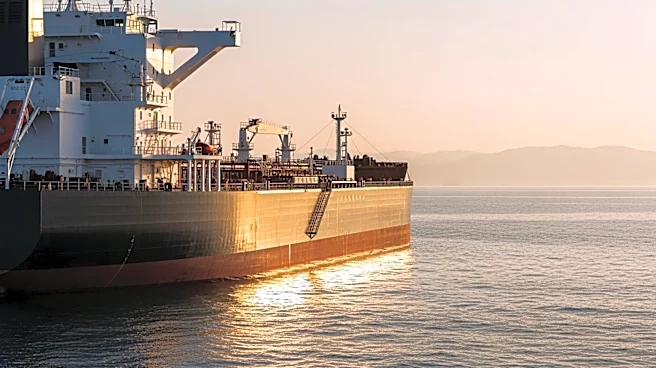
South Africa has significantly increased its fuel imports from the United States, with at least four tankers carrying approximately 165,000 tons of refined fuel arriving in Durban this month. This shift comes as South Africa, traditionally reliant on Gulf
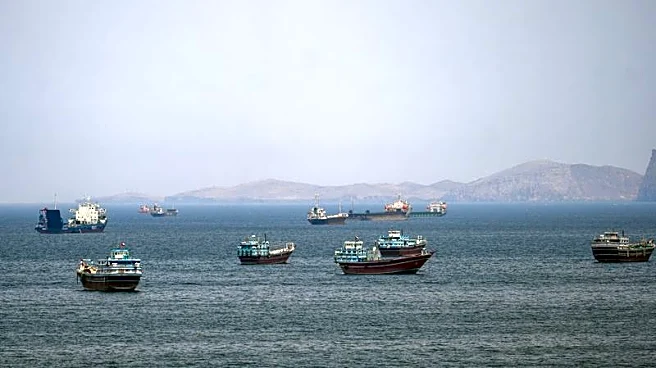
suppliers like Oman, Saudi Arabia, and the UAE, faces disruptions in Middle East supply routes, particularly through the Strait of Hormuz. The Fuels Industry Association of South Africa has noted a marked increase in shipments from the U.S., reflecting a broader trend among import-dependent economies to diversify sourcing strategies due to tighter shipping corridors and elevated crude and freight prices. The change in sourcing patterns is a response to global refiners and traders adjusting to disrupted supply chains and increased transport costs.
Why It's Important?
The shift in South Africa's fuel import strategy underscores the broader impact of geopolitical tensions on global trade routes. As traditional supply chains face disruptions, countries are compelled to seek alternative sources, which can lead to increased costs due to longer shipping distances and pricing premiums. This realignment affects not only South Africa but also other fuel-importing economies across Africa, which are experiencing heightened volatility in supply routes and rising import costs. The situation highlights the vulnerability of economies heavily reliant on external suppliers and the potential for increased consumer prices. Additionally, the shift may influence global fuel markets, as changes in trade flows could have lasting effects even if geopolitical tensions ease.
What's Next?
The ongoing disruptions in traditional fuel supply routes suggest that South Africa and other affected countries may continue to rely on alternative sources like the U.S. for the foreseeable future. This could lead to sustained higher costs and necessitate further adjustments in sourcing strategies. In Africa, there is a growing focus on enhancing domestic refining capacity to mitigate import shocks, with facilities like Nigeria's Dangote refinery ramping up output. However, the continent's structural dependence on imports means that even large-scale domestic production may not fully offset the need for external supplies. As such, stakeholders will likely continue to monitor geopolitical developments and adjust trade strategies accordingly.