








What's Happening?
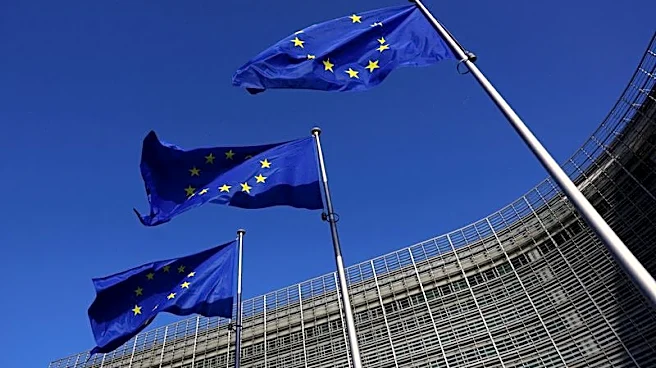
The European Commission has accused Meta of violating EU law by failing to prevent children under 13 from accessing Facebook and Instagram. The Commission's preliminary findings indicate that Meta's age verification measures are inadequate, allowing minors
to create accounts by providing false birth dates. The process for reporting underage accounts is also criticized for being cumbersome. Meta disagrees with these findings, stating that they have measures in place to detect and remove underage users. The company plans to introduce additional measures soon and is engaging with the Commission to address these concerns.
Why It's Important?
This development highlights the ongoing challenges tech companies face in ensuring child safety online. The scrutiny from the European Commission underscores the importance of robust age verification systems to protect minors from potential online harms. If the Commission's findings are confirmed, Meta could face significant financial penalties, impacting its operations and prompting industry-wide changes. The case also reflects broader concerns about digital platforms' responsibilities in safeguarding vulnerable users, influencing regulatory approaches and public expectations globally.
What's Next?
Meta has the opportunity to respond to the Commission's preliminary findings before a final decision is made. If the findings are upheld, Meta could be fined up to 6% of its global annual turnover. The company is expected to announce new measures to enhance child safety on its platforms. This case may prompt other tech companies to review their age verification processes to avoid similar scrutiny. The outcome could influence future regulatory frameworks for digital platforms, emphasizing the need for industry-wide solutions to age verification challenges.