




What's Happening?
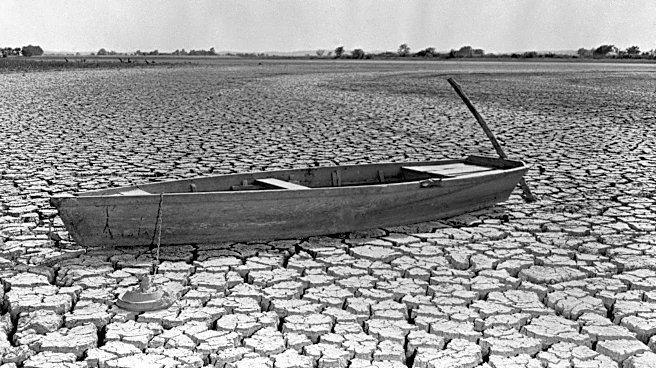
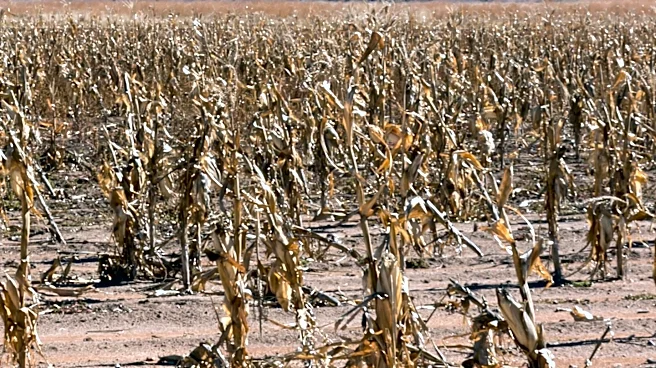
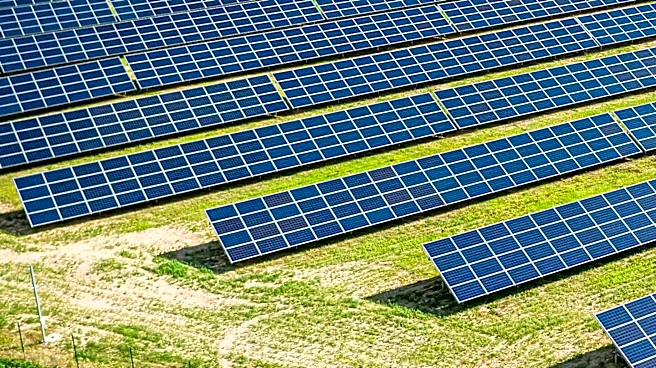
In Zimbabwe's drought-prone agro-ecological Region V of Mutoko, a solar-powered drip irrigation enterprise has been established to enable year-round crop production. This initiative, supported by the Government, the International Fund for Agricultural
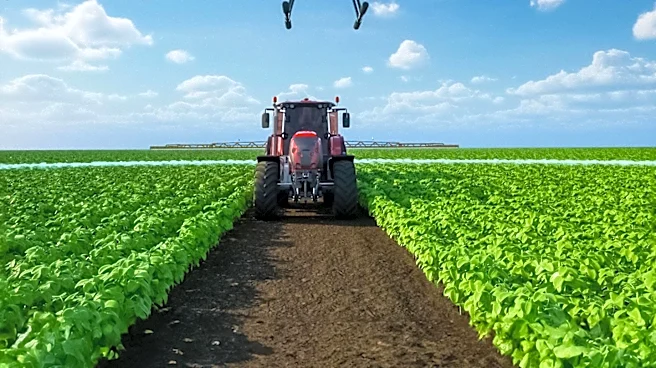
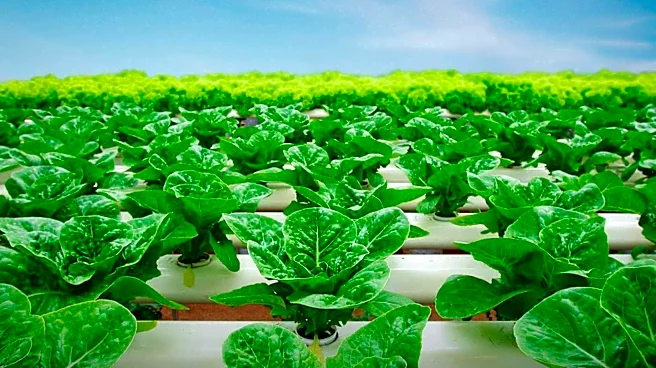
Development (IFAD), and the OPEC Fund for International Development, transformed an existing borehole into a multipurpose water facility. The project, part of the Smallholder Agriculture Cluster Project (SACP), covers 1.25 hectares and includes a commercial production plot and a nutrition garden. Beneficiaries, like Lorcadia Murehwa, who previously faced severe water scarcity, can now grow crops such as green mealies, tomatoes, and covo, improving food security and generating income. The Nyamashuka Village Business Unit, comprising 30 registered members, has seen significant economic benefits, with net profits from various crops. This model aims to shift smallholder farming from rain-fed dependence to irrigated agriculture, enhancing resilience against climate change impacts.
Why It's Important?
This development is crucial for Zimbabwe's food security and economic resilience, particularly in regions vulnerable to climate change and unpredictable rainfall. By transitioning from rain-fed agriculture to solar-powered irrigation, communities can ensure consistent food production, reducing reliance on seasonal rains and mitigating the effects of prolonged dry spells. The project empowers smallholder farmers to become agripreneurs, creating new income streams and diversifying their livelihoods through activities like poultry production. This approach not only addresses immediate food needs but also fosters long-term economic stability in rural areas. The success of such village-based enterprises could serve as a blueprint for a national food security strategy, transforming available water resources into productive agricultural assets and reducing rural unemployment.
What's Next?
The Nyamashuka Village Business Unit plans to secure a project grant to acquire a two-tonne truck and a two-wheel tractor, which are expected to improve transportation and agricultural operations. The SACP, which supports this initiative, is a six-year program targeting 78,000 farmers across 18 districts, focusing on rehabilitating irrigation schemes, providing climate-resilient infrastructure, and strengthening farmers' business and financial management capabilities. The government aims to establish irrigation schemes in every village with access to water resources to ensure food security nationwide. Additionally, there is a call for greater investment in agro-processing, cold storage, and warehousing facilities to help smallholder farmers capture more value from their produce, encouraging private sector involvement to create an ecosystem for adding value to agricultural commodities.
Beyond the Headlines
The shift towards a village irrigation economy in Zimbabwe highlights a broader transformation in agricultural practices, moving beyond subsistence farming to a more commercial and climate-resilient model. This initiative addresses interconnected challenges such as climate vulnerability, rural unemployment, and food insecurity. The long-term success of these schemes depends on communities' ability to maintain infrastructure, access reliable markets, manage water resources responsibly, and reinvest profits into production. The project also emphasizes the importance of training in climate-smart agriculture, nutrition, group governance, and financial management, fostering self-sufficiency and sustainability. This model could inspire similar initiatives in other developing nations facing similar climate and agricultural challenges, demonstrating how localized, community-driven solutions can lead to significant socio-economic improvements.