


What's Happening?
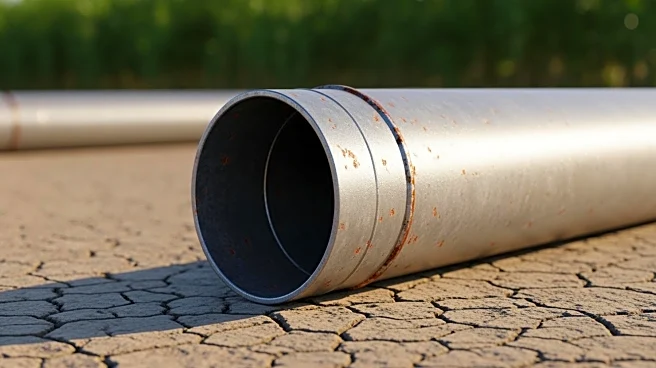
A Senate subcommittee in Iowa has advanced a bill, Senate File 2069, which proposes a severance tax on carbon dioxide transported through pipelines in the state. The bill suggests different tax rates depending on the purpose of the CO2 transport. Specifically,
CO2 used for enhanced oil recovery would be taxed at $1 per metric ton, while all other CO2 transported would incur a $2.50 per metric ton tax. The Summit Carbon Solutions pipeline, a significant carbon sequestration project in Iowa, is expected to transport 18 million tons of CO2 annually. The bill has sparked debate among lawmakers and stakeholders, with some questioning the differential tax rates and the allocation of generated tax revenue. The Sierra Club Iowa Chapter and landowners have expressed concerns, labeling the bill a distraction from property rights issues. The revenue from the tax is intended for the state's taxpayer relief fund, though some argue it should benefit local counties.
Why It's Important?
The proposed tax on pipeline-transported carbon dioxide in Iowa could have significant implications for the state's economy and environmental policy. By imposing a tax, the state aims to generate revenue that could potentially offset public investments in the ethanol industry. However, the bill has raised concerns about its impact on business costs and property rights. Companies like Summit Carbon Solutions argue that the tax would increase operational costs, potentially affecting the profitability of ethanol production and related industries. Additionally, the bill's focus on taxation rather than addressing eminent domain and property rights issues has drawn criticism from environmental groups and landowners. The outcome of this legislation could influence future infrastructure projects and the balance between economic development and environmental stewardship in Iowa.
What's Next?
The bill will proceed to the full Senate Ways and Means Committee for further consideration. As the legislative process continues, stakeholders, including lawmakers, environmental groups, and industry representatives, are likely to engage in further discussions and negotiations. The debate may focus on refining the tax rates, addressing property rights concerns, and determining the most equitable distribution of tax revenue. The outcome of these discussions could shape the future of carbon sequestration projects in Iowa and set a precedent for similar initiatives in other states.