
What's Happening?
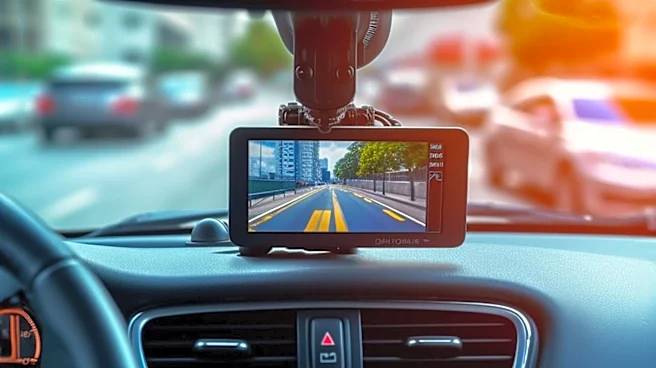
Stellantis, the automotive conglomerate encompassing brands like Chrysler, Dodge, Jeep, and Ram, has announced a recall of nearly one million vehicles due to a software malfunction affecting the rearview
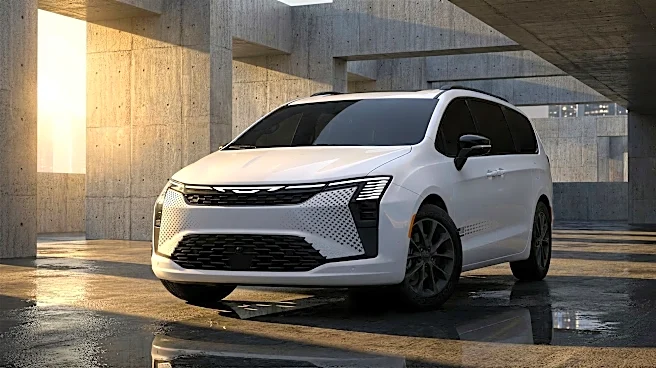
camera display. The issue stems from a glitch in the multimedia system's software, which can prevent the rearview camera image from appearing on the screen. In the U.S. alone, 848,511 vehicles are impacted by this recall. An additional 107,000 vehicles are affected in other markets, including Canada (82,869), Mexico (7,969), and other regions outside North America (15,736). The recall includes various models from the 2026-2027 model years, such as the Dodge Charger, Chrysler Pacifica, Pacifica Plug-in Hybrid, and Voyager, as well as Jeep Compass, Cherokee, Grand Cherokee, Grand Cherokee L, Grand Wagoneer, Grand Wagoneer L, Gladiator, and Wrangler. Ram models affected include the 1500, 2500, ProMaster, and ProMaster EV. Stellantis has stated that there have been no reported injuries or accidents linked to this defect so far.
Why It's Important?
This recall is significant for several reasons, primarily concerning vehicle safety and consumer trust. Rearview cameras have been mandated in new vehicles in the U.S. since 2018 to enhance safety by providing drivers with a clear view of the area behind their vehicle, thereby reducing the risk of back-over accidents. A malfunctioning rearview camera can compromise this safety feature, potentially leading to accidents, especially in crowded parking lots or residential areas. For Stellantis, this recall represents a substantial logistical and financial undertaking, impacting a large portion of its U.S. vehicle fleet. The company's ability to efficiently address the software issue and restore consumer confidence will be crucial. This event also highlights the increasing reliance on complex software systems in modern vehicles and the potential safety implications when these systems fail. The automotive industry as a whole faces ongoing challenges in ensuring the reliability and security of in-car technology.
What's Next?
Stellantis plans to begin notifying affected vehicle owners in September. The company intends to resolve the issue through an over-the-air (OTA) software update for the radio system. Owners will receive a notification on their vehicle's multimedia screen when the update becomes available. This approach leverages modern vehicle technology to streamline the recall process, potentially avoiding the need for owners to visit dealerships for repairs. However, ensuring that all affected vehicles successfully receive and install the update will be a critical step. The National Highway Traffic Safety Administration (NHTSA) will likely monitor the progress of this recall to ensure compliance and effectiveness. This incident may also prompt further scrutiny of software quality control processes within the automotive industry, particularly for safety-critical features. Owners should monitor their vehicle's multimedia system for update notifications and contact their dealership if they experience any issues or have questions.
Beyond the Headlines
The Stellantis recall underscores a broader trend in the automotive industry: the increasing integration of sophisticated software and connectivity into vehicles. While OTA updates offer convenience and efficiency for manufacturers in addressing software-related issues, they also introduce new complexities and potential vulnerabilities. The reliance on software for critical safety features like rearview cameras means that software glitches can have direct safety implications. This situation highlights the need for robust software development, testing, and deployment protocols within the automotive sector. Furthermore, it raises questions about consumer awareness and technical literacy regarding vehicle software updates. As cars become more like computers on wheels, the industry and regulators will need to adapt to ensure that software-related recalls are handled effectively and that consumers are adequately informed and protected. This incident could contribute to ongoing discussions about cybersecurity in vehicles and the regulatory frameworks needed to address these evolving challenges.