




What's Happening?
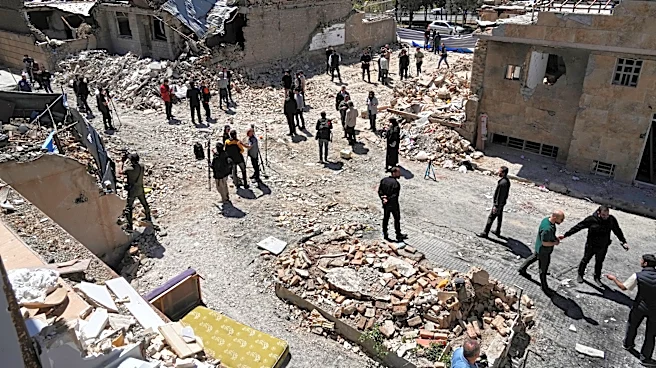
Lebanese-French artist and filmmaker Ali Cherri, along with the International Federation for Human Rights (FIDH), has filed a war crime complaint in France regarding the killing of his parents in a 2024 Israeli airstrike in Beirut. The complaint, lodged
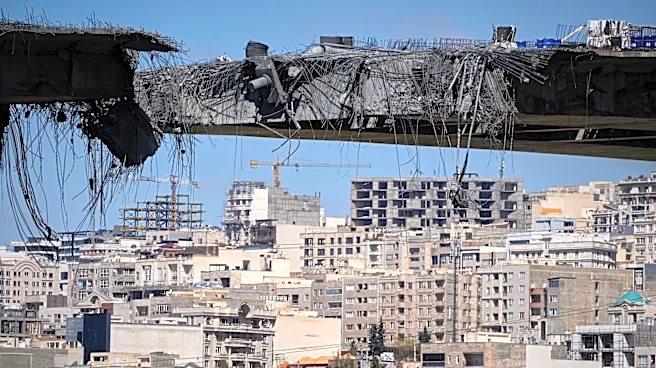
with the French War Crimes Unit, accuses the Israeli military of bombing a civilian building, resulting in the deaths of seven civilians, including Cherri's parents. The strike occurred during a conflict between Israel and Hezbollah, just before a ceasefire. The complaint highlights the targeted nature of the attack, supported by digital reconstruction and documentation from Amnesty International. Cherri's action aims to hold the Israeli military accountable and prevent future civilian casualties.
Why It's Important?
The filing of this war crime complaint underscores the ongoing tensions and humanitarian concerns in the Middle East, particularly regarding military actions that impact civilians. Cherri's case highlights the role of international legal systems in addressing alleged war crimes, potentially influencing future accountability measures for military operations. The involvement of organizations like FIDH and Amnesty International emphasizes the importance of human rights advocacy in conflict zones. This case could set a precedent for other victims seeking justice for similar incidents, potentially leading to increased scrutiny of military actions in the region. The complaint also raises awareness about the impact of conflict on civilians, potentially influencing public opinion and policy decisions.
What's Next?
The French War Crimes Unit will review the complaint, which could lead to further investigations and potential legal proceedings. The outcome of this case may influence international relations and diplomatic efforts to address military actions in conflict zones. Human rights organizations will likely continue to monitor the situation, advocating for justice and accountability. The case may also prompt discussions within the international community about the need for stronger protections for civilians in conflict areas. The response from the Israeli government and military could impact future military strategies and international perceptions of their actions.