




What's Happening?
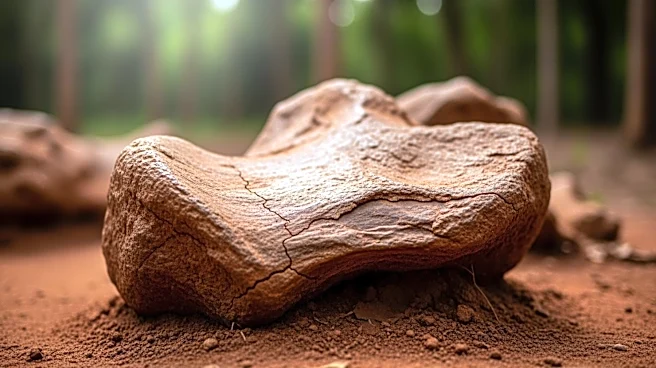
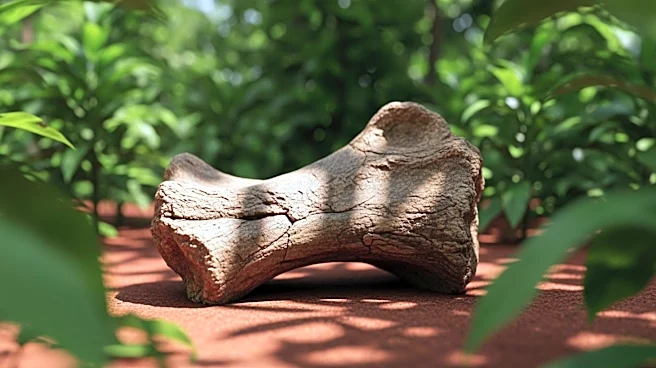
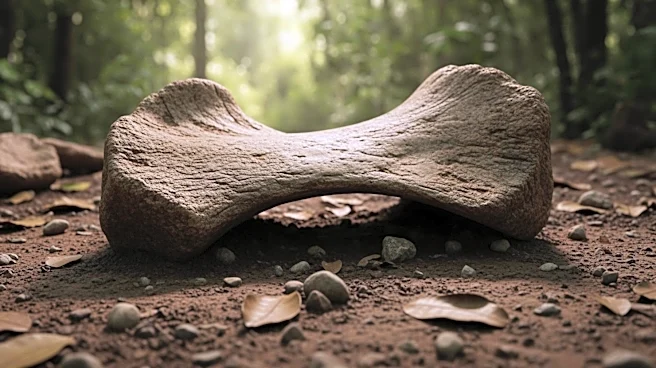
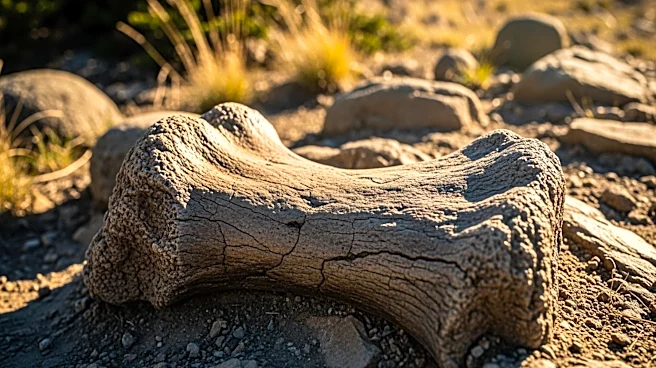
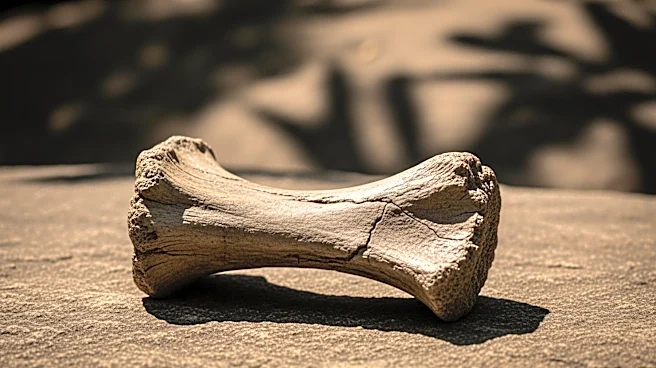
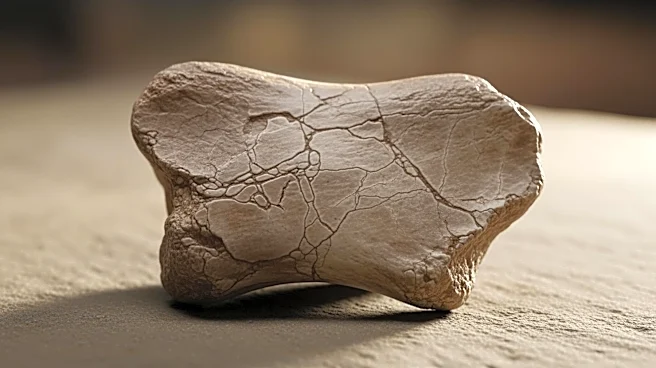
Researchers have identified a new species of long-necked dinosaur in Thailand, named Nagatitan chaiyaphumensis, which is now considered the largest dinosaur ever discovered in Southeast Asia. This discovery was made by a team from University College London,
Mahasarakham University, Suranaree University of Technology, and Thailand's Sirindhorn Museum. The dinosaur, which lived during the Early Cretaceous period, was approximately 27 meters long and weighed around 27 tonnes. The fossils were found in Chaiyaphum province, and the species is part of the sauropods, known for their long necks and tails. This discovery is significant as it provides insights into the prehistoric ecosystem of the region.
Why It's Important?
The discovery of Nagatitan chaiyaphumensis is crucial for understanding the paleobiology of Southeast Asia. It highlights the region's rich prehistoric biodiversity and offers new data on the distribution and evolution of sauropods. This finding also emphasizes the importance of international collaboration in paleontological research, as it involved multiple institutions. The research contributes to the global understanding of dinosaur evolution and the environmental conditions of the Early Cretaceous period. Additionally, it underscores Thailand's growing role in paleontological studies, potentially attracting more scientific interest and tourism to the region.
What's Next?
The research team plans to continue studying the fossils and exploring other potential sites in Thailand. There is a possibility of discovering more new species, as the region's dinosaur-bearing formations are further examined. The findings may lead to more international collaborations, enhancing the understanding of dinosaur evolution in Southeast Asia. The life-size reconstruction of Nagatitan is currently on display in Bangkok, which could increase public interest and educational opportunities in paleontology.