




What's Happening?
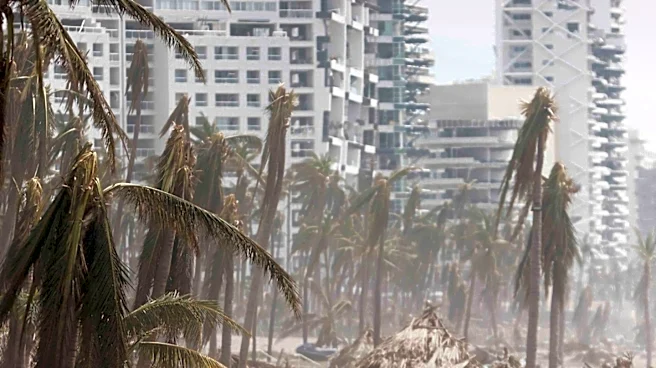
Recent severe storms, tornadoes, heavy rain, flooding, and widespread power outages across the U.S., including Indiana, have highlighted the vulnerability of essential documents to natural disasters. These events often lead to significant property damage
and evacuations, leaving individuals with little to no warning. The focus is shifting from merely having an estate plan to ensuring its resilience and accessibility in the face of such catastrophes. Many people store important documents like wills, trusts, and powers of attorney in their homes, which are susceptible to destruction by fire, water, or wind. This raises critical questions about what happens to these documents if a home is destroyed or inaccessible, and whether family members or designated representatives can locate and utilize them when needed most. The discussion emphasizes that while paper documents are fragile, the estate plan itself must be robust enough to survive a disaster, ensuring that the intentions of the individual can still be carried out.
Why It's Important?
The increasing frequency and intensity of natural disasters across the U.S. underscore the critical need for disaster-resistant estate planning. The potential loss or inaccessibility of vital legal documents can create immense challenges for families during already stressful times. Without access to wills, trusts, or power of attorney documents, the process of settling an estate, managing finances, or making healthcare decisions can be significantly complicated, leading to legal disputes, delays, and financial burdens. This issue impacts not only individuals and their families but also the legal and financial sectors, as attorneys and financial institutions may face increased demand for assistance with lost documents or complex estate resolutions. Ensuring the accessibility and protection of these documents is crucial for maintaining legal continuity and providing peace of mind, especially in regions prone to various natural hazards. The broader implication is a call for a shift in public awareness and preparedness strategies, moving beyond physical safety to include the safeguarding of legal and financial frameworks.
What's Next?
Individuals are urged to take immediate steps to secure their estate planning documents. This includes locating original documents, assessing their vulnerability to fire and water, and considering investments in high-quality waterproof and fireproof safes. A crucial next step is to create secure digital copies of all essential documents and store them in a location outside the home, ensuring they are accessible to designated individuals. Furthermore, it is vital to inform trusted family members or representatives about the location of these documents and the contact information for the estate planning attorney. This proactive approach aims to ensure that even if physical documents are destroyed, the estate plan can still be implemented. Legal professionals may also see an increased demand for guidance on disaster-proofing estate plans and addressing the legal implications of lost documents, potentially leading to new best practices in the field.
Beyond the Headlines
The discussion extends beyond mere document storage to the fundamental concept of a 'disaster-resistant estate plan,' highlighting the ethical and practical responsibilities individuals have to their families. It challenges the common misconception that natural disasters are geographically limited, emphasizing that any community can be affected. This perspective encourages a broader societal shift towards comprehensive preparedness, where estate planning is viewed as an integral part of disaster readiness, alongside emergency kits and evacuation plans. The long-term implication is a potential re-evaluation of how legal documents are traditionally stored and accessed, possibly accelerating the adoption of secure digital solutions and cloud-based storage for sensitive information. This also brings to light the importance of ongoing communication within families about these critical matters, fostering a culture of preparedness that extends to legal and financial affairs.