





What's Happening?
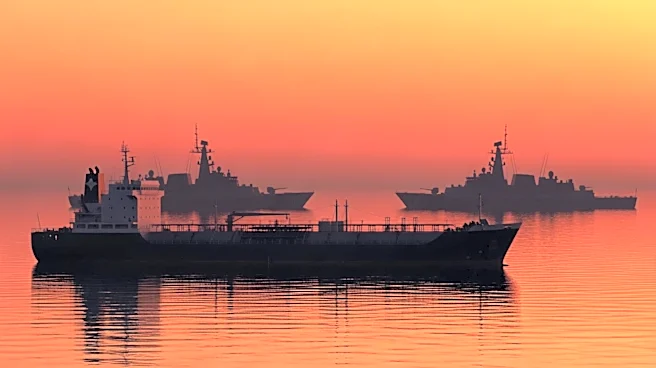
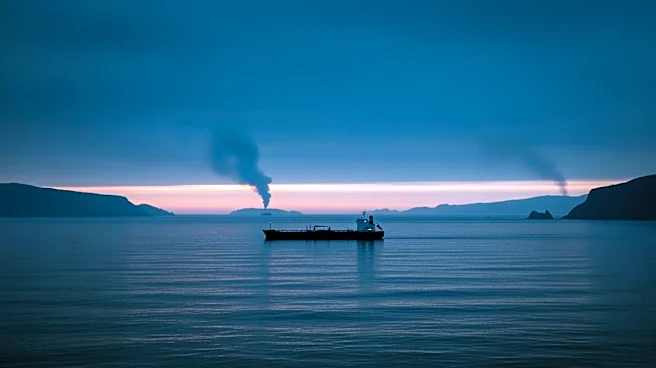
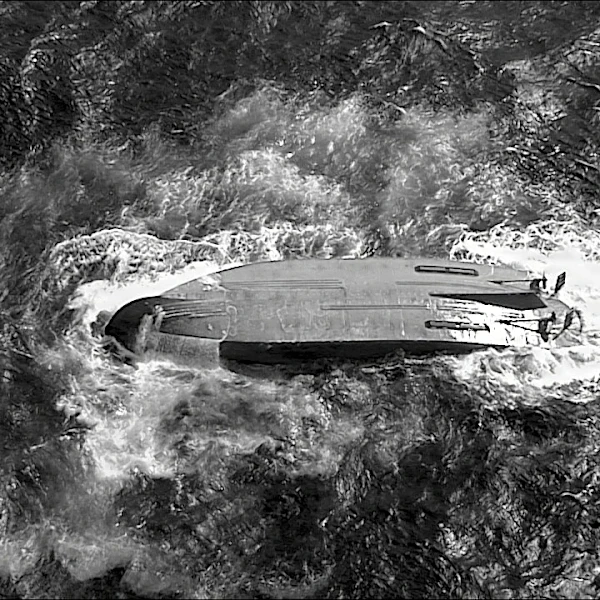
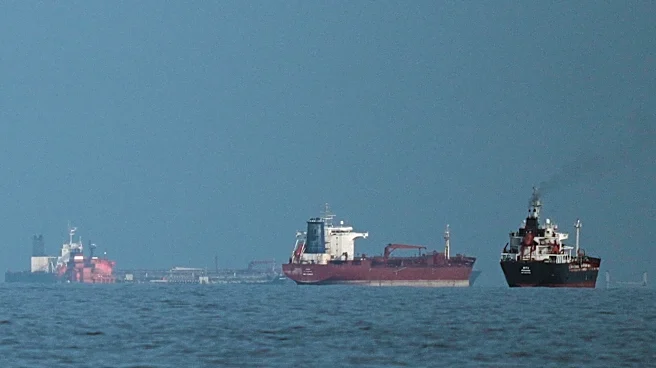
Iran has declared the Strait of Hormuz closed, reversing previous statements that it would remain open during a ceasefire. Several ships, including a containership, tanker, and cruise ship, reported being fired upon or forced to turn back. The Iranian
Revolutionary Guard Corps (IRGC) is enforcing strict conditions, requiring ships to obtain permission and undergo inspections. This escalation follows accusations by Iran that the U.S. violated the ceasefire. The closure of the Strait, a vital maritime route for global oil shipments, heightens tensions in the region and disrupts international shipping.
Why It's Important?
The closure of the Strait of Hormuz by Iran is a significant geopolitical event, as it is a critical chokepoint for global oil transportation. The strait's closure could lead to disruptions in oil supply, affecting global markets and potentially increasing oil prices. The situation underscores the fragile nature of international relations in the region and the potential for conflict to impact global economic stability. The actions by Iran also highlight the ongoing tensions between Iran and the U.S., with broader implications for international diplomacy and security.
What's Next?
The international community is likely to respond with diplomatic efforts to de-escalate the situation and reopen the Strait of Hormuz. The U.S. and its allies may increase naval presence in the region to ensure the security of maritime routes. Further negotiations between Iran and other stakeholders could be initiated to address the underlying issues and prevent further escalation. The situation remains fluid, with potential for both diplomatic resolutions and further conflict.