
What's Happening?
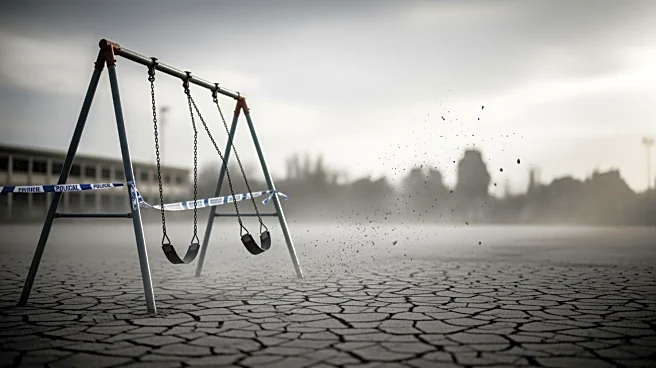
In Sudan, the ongoing civil war has led to a tragic incident at the Abu Sitta girls' school in El-Obeid, North Kordofan state. The school was shelled, resulting in the deaths of an English teacher and
13 students, with many others injured. The attack occurred while students were attending classes, causing chaos and fear among the survivors. The Rapid Support Forces (RSF), a paramilitary group involved in the conflict with the Sudanese army, are accused of the shelling, although they have not commented on the incident. The civil war, which began in April 2023, has claimed over 150,000 lives and displaced millions, creating what the United Nations describes as the world's worst humanitarian crisis. The Kordofan region, rich in oil, is a strategic battleground, with control over it affecting the country's oil supply and overall stability.
Why It's Important?
The shelling of the Abu Sitta school underscores the severe impact of the Sudanese civil war on civilians, particularly children. With an estimated 13 million school-age children out of school, the conflict is severely disrupting education and future opportunities for the youth. The humanitarian crisis is exacerbated by the strategic importance of the Kordofan region, which is crucial for controlling Sudan's oil resources. The ongoing violence and instability threaten not only the immediate safety of civilians but also the long-term economic and social fabric of the country. The international community's response to this crisis could influence future humanitarian aid and diplomatic efforts in the region.
What's Next?
As the conflict continues, the Sudanese government and international organizations face the challenge of addressing the humanitarian needs of displaced populations and restoring educational facilities. The situation in El-Obeid, where schools have been converted into shelters, highlights the urgent need for a resolution to the conflict. Efforts to negotiate peace and provide humanitarian aid will be critical in stabilizing the region and ensuring the safety and education of Sudan's children. The international community may increase pressure on the conflicting parties to reach a ceasefire and allow for humanitarian interventions.
Beyond the Headlines
The attack on the Abu Sitta school reveals deeper issues related to the protection of civilians in conflict zones and the role of education in post-conflict recovery. The resilience of students returning to school despite the trauma reflects a broader struggle for normalcy and hope in war-torn regions. The psychological impact on survivors and the disruption of education could have long-term effects on Sudan's development and stability. Addressing these challenges requires a comprehensive approach that includes mental health support, rebuilding educational infrastructure, and ensuring the safety of students and teachers.